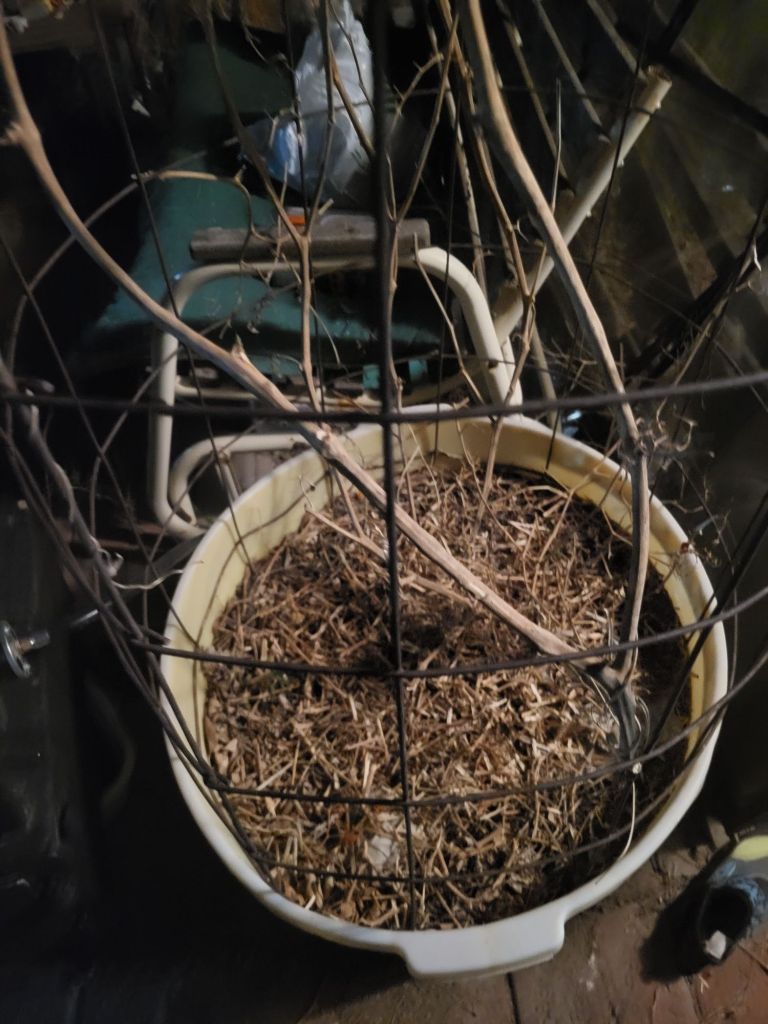
Every spring the youngest and I plant a cherry tomato plant in this container. I let the dead plant stand all winter and then crumble it back into the container.
We’ve done this for going on five years with no issues at all. I’ve read you shouldn’t grow them in the same place and that the old plant should be discarded. I feel that’s a huge waste of organic material. We never fertilize this particular container and I believe it’s the organic material material that’s added in from the old plant.
What follows is a guide that nay help you with container growing tomatoes.
Your Ultimate Guide to Growing Delicious Tomatoes in Containers.
Imagine stepping onto your balcony or patio or yard and plucking a sun-ripened, juicy tomato, bursting with flavor that far surpasses anything you can find in a store.
Container gardening makes this dream a reality, even for those with limited space. Growing tomatoes in containers is a rewarding and accessible way to enjoy fresh, homegrown goodness.
This exhaustive guide will walk you through every step, ensuring you achieve a triumphant tomato harvest, no matter the size of your growing area.
Why Choose Container Tomatoes?
Container gardening offers numerous advantages for tomato enthusiasts:
* Space Efficiency: Perfect for balconies, patios, decks, and small yards where in-ground gardening isn’t feasible.
* Portability: You can easily move your plants to follow the sun or protect them from harsh weather.
* Soil Control: You have complete control over the soil mix, ensuring optimal drainage and nutrient availability.
* Reduced Soilborne Diseases: Growing in fresh potting mix minimizes the risk of diseases that can linger in garden soil.
* Fewer Weeds: Containers naturally limit weed competition.
* Earlier Harvests: Container soil tends to warm up faster in the spring, potentially leading to earlier fruiting.
Choosing the Right Tomatoes for Containers:
While almost any tomato can be grown in a container, some varieties are better suited than others due to their growth habit:
* Determinate (Bush) Tomatoes: These varieties grow to a compact, bush-like size and produce most of their fruit at once, typically over a shorter period. They are generally well-behaved in containers and often don’t require extensive staking. Popular determinate container choices include:
* Patio: A classic compact variety with good flavor.
* Roma: Ideal for sauces and canning, produces a concentrated yield.
* Celebrity: All-purpose, disease-resistant, and reliable.
* Bush Early Girl: Early producer with good flavor.
* Indeterminate (Vining) Tomatoes: These varieties continue to grow and produce fruit throughout the growing season until frost. They require significant support like cages or stakes and can become quite large, so choose larger containers. Popular indeterminate container choices include:
* Cherry Tomatoes (e.g., Sweet Million, Sungold): Produce abundant clusters of small, sweet fruits.
* Grape Tomatoes (e.g., Juliet): Elongated, sweet, and prolific.
* Slicing Tomatoes (smaller fruited varieties like Early Girl, Better Bush): Choose compact indeterminate varieties for containers.
* Heirloom Tomatoes (select bushier or more manageable indeterminate types): Research specific varieties for their container suitability.
Essential Supplies for Container Tomato Growing:
* Containers: The most crucial element! Choose containers that are:
* Large Enough: For determinate varieties, aim for at least a 5-gallon container. Indeterminate varieties need at least 10-20 gallons to accommodate their root systems and support vigorous growth. Bigger is generally better for water retention and overall plant health.
* Good Drainage: Ensure your containers have drainage holes at the bottom to prevent waterlogging, which can lead to root rot.
* Sturdy: Choose durable containers that can withstand the weight of a mature tomato plant and the elements. Options include plastic, ceramic, fabric pots, and even repurposed containers (just ensure they are food-safe and have drainage).
* Potting Mix: Never use garden soil in containers! Garden soil compacts easily, drains poorly, and can harbor diseases. Use a high-quality, lightweight potting mix specifically formulated for containers. These mixes typically contain peat moss or coco coir, perlite or vermiculite for drainage and aeration, and some slow-release fertilizer.
* Support System: Indeterminate tomatoes will need support. Choose from:
* Tomato Cages: Wire cages placed around the plant early in its growth. Select tall and sturdy cages for indeterminate varieties.
* Stakes: Strong stakes driven into the container next to the plant, to which the main stem is tied loosely as it grows.
* Trellises: Vertical structures that vining tomatoes can climb.
* Watering Can or Hose: For regular watering.
* Fertilizer: A balanced liquid fertilizer or slow-release granular fertilizer formulated for vegetables.
* Hand Trowel and Small Tools: For planting and general care.
* Mulch (Optional): Organic mulch like straw or shredded bark can help retain moisture and suppress weeds.
Planting Your Container Tomatoes: A Step-by-Step Guide:
* Choose Your Planting Time: Plant tomato seedlings outdoors after all danger of frost has passed and the soil has warmed up. In most regions, this is a few weeks after the last expected spring frost.
* Prepare Your Containers: Ensure your containers are clean and have adequate drainage holes. If using fabric pots, they naturally provide excellent drainage and aeration.
* Fill with Potting Mix: Fill the containers with high-quality potting mix, leaving a few inches of space at the top.
* Plant Your Seedlings:
* Gently remove the tomato seedling from its nursery pot.
* Dig a hole in the center of the potting mix that is large enough to accommodate the root ball.
* Plant Deeply! Tomatoes have the unique ability to grow roots along their stems. Planting the seedling deeper (up to the first set of true leaves) encourages a stronger and more extensive root system.
* Carefully place the seedling in the hole and gently firm the soil around the base of the plant.
* Install Support (if needed): For indeterminate varieties, install your tomato cage or stake at the time of planting to avoid damaging the roots later.
* Water Thoroughly: Water the newly planted seedling deeply until water drains out the bottom of the container. This helps settle the soil and ensures the roots are well-hydrated.
* Mulch (Optional): Apply a layer of organic mulch around the base of the plant, keeping it a few inches away from the stem.
* Place in a Sunny Location: Move your containers to a spot that receives at least 6-8 hours of direct sunlight per day.
Caring for Your Container Tomatoes: The Key to a Bountiful Harvest:
* Watering: Container plants dry out faster than in-ground plants, so consistent watering is crucial. Check the soil moisture regularly (stick your finger about an inch deep). Water when the top inch feels dry. Water deeply until water drains from the bottom of the container. Avoid overwatering, which can lead to root rot. Water early in the day to allow foliage to dry before evening, reducing the risk of fungal diseases.
* Fertilizing: Container soil has limited nutrients. Begin fertilizing a few weeks after planting. Use a balanced liquid fertilizer diluted to half strength every 1-2 weeks, or use a slow-release granular fertilizer according to the package instructions. Once flowering begins and fruit sets, you can switch to a fertilizer slightly higher in phosphorus (the middle number) to encourage fruit production.
* Pruning (Indeterminate Varieties): Pruning indeterminate tomatoes helps improve airflow, encourages fruit production, and keeps the plant manageable in a container. Regularly remove “suckers” – the small shoots that grow in the “V” between the main stem and a branch. Pinch them off when they are small. You can also remove some of the lower leaves as the plant grows to improve airflow and prevent soil splash on the foliage. Determinate tomatoes generally require less pruning.
* Support: As your indeterminate tomatoes grow, continue to train them up their stakes or through their cages, tying stems loosely with soft twine or plant ties as needed. Ensure the support is sturdy enough to handle the weight of mature plants laden with fruit.
* Pollination: Tomatoes are generally self-pollinating, but sometimes they need a little help, especially in still air. Gently shake or tap the flower clusters a couple of times a week to release pollen. Good airflow also aids pollination.
* Pest and Disease Control: Monitor your plants regularly for common tomato pests like aphids, whiteflies, tomato hornworms, and diseases like early blight, late blight, and blossom end rot. Address any issues promptly with organic pest control methods (like insecticidal soap or neem oil) and by removing affected foliage. Ensure good airflow around the plants to help prevent fungal diseases. Blossom end rot (bottom of the fruit turns black and leathery) is often caused by inconsistent watering and calcium deficiency. Ensure consistent watering and consider adding a calcium supplement if it’s a recurring problem.
* Sun Scald: In very hot, sunny conditions, exposed fruits can suffer from sun scald. Provide some afternoon shade if necessary, especially for young plants and developing fruits. Adequate foliage cover usually helps prevent this.
Harvesting Your Container Tomatoes: The Sweet Reward:
* Ripeness: Tomatoes are typically ripe when they develop their full color (red, yellow, orange, etc.) and are slightly soft to the touch. The stem end should also have a bit of give.
* Gentle Picking: Gently twist or snip the tomato from the vine, being careful not to damage the plant.
* Enjoy! Savor the taste of your homegrown container tomatoes!
Troubleshooting Common Container Tomato Problems:
* Yellowing Leaves: Can be caused by overwatering, underwatering, nutrient deficiencies, or disease. Adjust watering and fertilizing as needed and inspect for pests or diseases.
* Wilting: Often a sign of underwatering, but can also indicate overwatering or root problems. Check soil moisture and drainage.
* Blossom Drop (flowers falling off without setting fruit): Can be caused by temperature extremes (too hot or too cold), insufficient pollination, or stress. Ensure optimal growing conditions.
* Blossom End Rot: As mentioned earlier, usually due to inconsistent watering and calcium deficiency.
Extending the Season:
In cooler climates, you can extend your tomato season by:
* Starting Indoors Early: Give your plants a head start.
* Using Row Covers or Cold Frames: Provide protection from early frosts.
* Bringing Containers Indoors: Move plants to a sunny indoor location before the first hard frost (though fruit production may slow down).
Conclusion: Container Tomatoes – Flavor and Fun at Your Fingertips!
Growing tomatoes in containers is a fantastic way to enjoy the taste of summer, no matter your space constraints. By choosing the right varieties, providing adequate-sized containers, using quality potting mix, and offering consistent care, you can cultivate a thriving tomato patch right on your doorstep. So, grab your pots, select your favorite tomato types, and get ready for the unparalleled satisfaction of harvesting your own delicious, homegrown tomatoes! If you find this useful or have stories to share, please feel free to do so. Even if you have a criticism or two, have at it. So long as you’re respectful, it’s all good. Happy container gardening!
 Slocum's Creak