Keep Your Yard Looking Sharp:
Essential Routine Lawn Mower Maintenance:
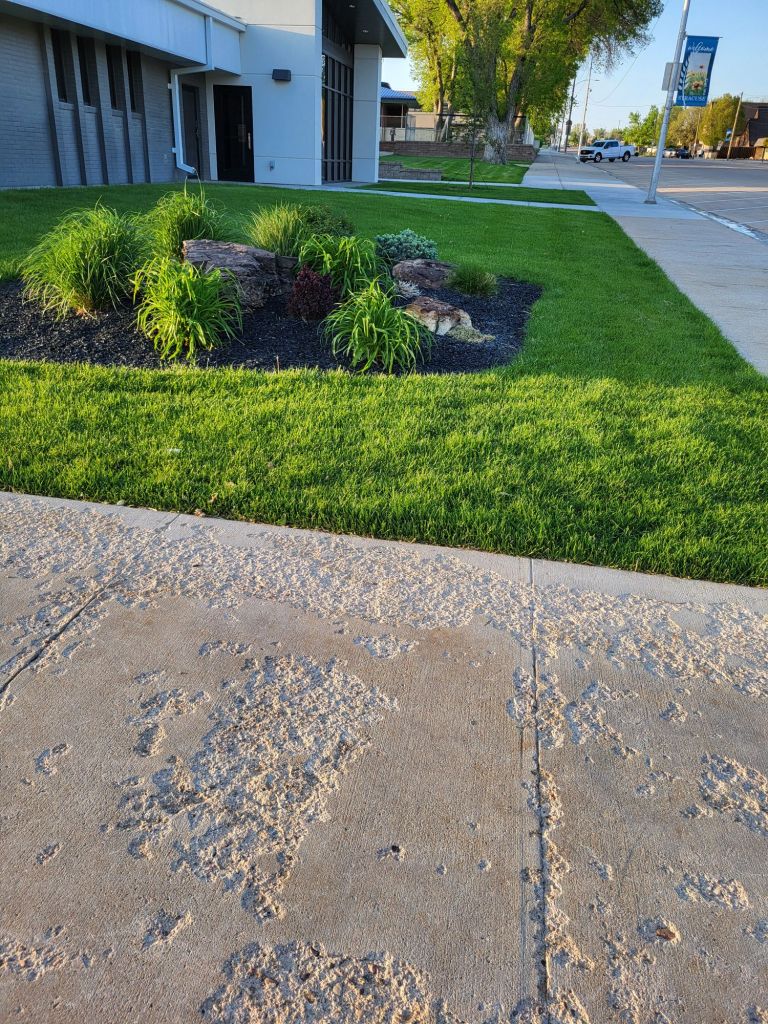
Want a lawn that makes the neighbors green with envy (the good kind!)? A big part of achieving that lush, evenly cut look is having a lawnmower that’s running smoothly.
Just like your car, your lawnmower needs a little TLC to perform its best and last for years to come. The good news? Most routine maintenance is something the average homeowner can easily tackle.
Investing a little time in regular maintenance will not only keep your lawn looking fantastic but can also prevent costly repairs down the line and extend the life of your mower.
While a lawn may not be necessary for many who homestead, if you do have one, keeping it neat not only gives you a place to ground, touch grass, let the kids play, etc… it also helps keep snakes and other unwanted visitors at bay. That being said:
Let’s dive into some essential tasks you can do to keep your machine humming.”)
The Regular Checklist for a Happy Mower (and a Happy You!)
These are some key things you should check and maintain regularly throughout the mowing season:
* Keep it Clean: After each use, take a few minutes to brush off any grass clippings and debris from the top and underside of the mower deck. Built-up grass can trap moisture, leading to rust and affecting the mower’s cutting performance. A stiff brush or even a putty knife can work wonders. A hose and sprayer works well also and some mower come with a place to hook your water hose up to. They work well.
* Check the Blade: Before each use, take a quick look at the mower blade. Is it visibly damaged, bent, or excessively dull? A sharp, balanced blade is crucial for a clean, even cut. Dull blades tear the grass, making it look ragged and stressing the plant.
* Maintain Proper Oil Level: Just like your car, your lawnmower needs the right amount of clean oil to lubricate its engine. Before each use (or as recommended in your owner’s manual), check the oil level using the dipstick. Add the recommended type of oil if it’s low.
* Inspect the Air Filter: A clean air filter allows the engine to breathe properly. A clogged filter reduces performance and can even damage the engine over time. Check your air filter regularly (every 25 hours of use or once a season, depending on conditions) and clean or replace it as needed. Paper filters can often be tapped gently to remove loose dirt, while foam filters can sometimes be washed.
* Check the Spark Plug: The spark plug ignites the fuel in the engine. A dirty or faulty spark plug can cause starting problems or rough running.
Inspect the spark plug periodically and clean or replace it according to your owner’s manual’s recommendations.
Getting Down and Dirty: How to Change Your Lawn Mower Oil
Changing the oil is a bit more involved but still manageable for most homeowners. Here’s a general guide (always consult your owner’s manual for specific instructions for your model) Youtube will more than likely have a video on your mower so if you don’t have an owner’s manual check there, and if not the closest library or Google search should help.
* Gather Your Supplies: You’ll need the correct type and amount of new oil (check your manual!), an oil drain pan, a wrench or socket to remove the drain plug (if your mower has one), and rags or paper towels to clean up any spills. You might also need a funnel to pour in the new oil.
* Warm Up the Engine (Optional but Recommended): Running the mower for a few minutes beforehand can help warm up the oil, making it flow more easily. Make sure the engine is OFF and the spark plug wire is disconnected before proceeding with the oil change.
* Locate the Drain Plug or Drain Spout: Your mower will either have a drain plug on the bottom or side of the engine or a drain spout with a cap. On some you will have to pull the dipstick out and either pump it out with a small trasfer pump or turn the mower upside down over a drain pan. Consult your owner’s manual if you’re unsure.
* Position the Drain Pan: Place the drain pan directly beneath the drain plug or spout.
* Remove the Drain Plug or Open the Drain Spout: Use the appropriate wrench or socket to carefully remove the drain plug. If you have a drain spout, remove the cap and direct the flow into the pan.
* Allow the Old Oil to Drain Completely: Let the old oil drain fully into the pan. This might take several minutes.
* Reinstall the Drain Plug or Close the Drain Spout: Once the oil has drained, replace the drain plug and tighten it securely (but don’t overtighten). If you have a drain spout, close the cap tightly.
* Locate the Oil Fill Cap: This is usually on the top or side of the engine and is often marked with an oil can symbol.
* Add New Oil: Remove the fill cap and carefully pour in the new oil using a funnel, making sure to use the correct type and amount as specified in your owner’s manual. Don’t overfill!
* Check the Oil Level: Replace the fill cap and then check the oil level using the dipstick. Add more oil if needed to reach the correct level.
* Dispose of Old Oil Properly: Take your used motor oil to a designated recycling center or auto parts store for proper disposal. Do not pour it down the drain or throw it in the trash.
(Short paragraph reinforcing the benefits: “Taking these routine steps, especially changing the oil, will keep your lawnmower running efficiently, prevent engine wear, and help you achieve a nice looking lawn.
A Little Effort Goes a Long Way
Maintaining your lawnmower might seem like another chore, but the benefits are well worth the effort. A well-maintained mower will cut cleaner, last longer, and make your lawn care tasks much more enjoyable (or at least less frustrating!). So, take a little time to show your mower some love, and it will reward you with a yard that looks its absolute best.
What are your go-to lawnmower maintenance tips? Feel free to share them in the comments below!
 Slocum's Creak