What to Do When a Tornado is Expected
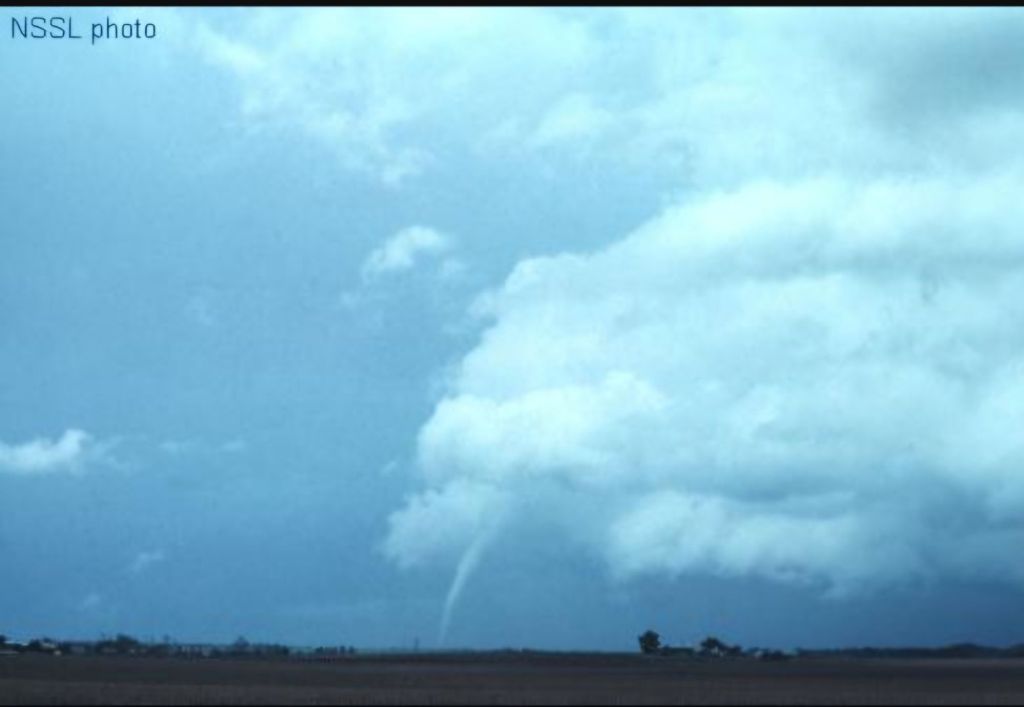
Living in Kansas, we’re no strangers to dramatic weather. While the beauty of a prairie thunderstorm can be captivating, the threat of tornadoes demands respect and preparedness. However, as has been seen over the last few years, a tornado can strike anywhere.
Knowing what to do when a tornado is expected can make all the difference in protecting yourself and your loved ones.
Time is precious when a tornado warning is issued. Having a plan in place and knowing what actions to take can significantly increase your safety.
Let’s review the crucial steps to take when a tornado is expected in your area.
Understanding the Alerts: Watch vs. Warning
First, it’s important to understand the difference between a tornado watch and a tornado warning:
* Tornado Watch: This means that conditions are favorable for tornadoes to develop in your area. It’s like a weather “heads-up.” During a watch, you should stay informed, monitor weather updates, and review your safety plan.
* Tornado Warning: This means a tornado has been sighted or indicated by weather radar and poses an imminent threat to the warned area. This is when immediate action is required.
(Clear call to action: “When a tornado warning is issued for your area, don’t delay – act immediately!”)
What to Do When a Tornado Watch is Issued:
* Stay Informed: Monitor local news channels, radio, weather apps, and official social media accounts for the latest updates.
* Review Your Safety Plan: Remind yourself and your family of your designated safe place and the route to get there.
* Check Your Supplies: Ensure your emergency kit is stocked with essentials like a flashlight, batteries, a first-aid kit, water, non-perishable food, a whistle, and a NOAA weather radio.
* Secure Outdoor Items: Bring in loose outdoor items like lawn furniture, toys, and decorations that could become projectiles in high winds.
* Be Aware of Changing Weather Conditions: Watch for signs of severe weather, such as dark or greenish skies, large hail, a loud roar like a freight train, and rotating clouds.
What to Do When a Tornado Warning is Issued:
Your immediate goal is to get to the safest possible shelter.
* Go to Your Predetermined Safe Place:
* Basement or Storm Cellar: These offer the best protection. Get underground and away from windows.
* Interior Room on the Lowest Floor: If you don’t have a basement, go to an interior room on the lowest floor of your home, away from windows, exterior walls, and doors. A small room like a bathroom, closet, or hallway is best.
* Community Shelter: If your community has designated storm shelters, know their locations and have a plan to get there quickly.
* Protect Yourself:
* Get Low: Crouch down on your knees and protect your head and neck with your arms.
* Cover Yourself: If possible, get under a sturdy piece of furniture like a table or desk.
* Stay Away From Windows: Flying debris from shattered windows can cause serious injury.
* If You Are in a Vehicle or Outdoors:
* Never Try to Outrun a Tornado in a Vehicle: Tornadoes can change direction quickly and are often faster than cars.
* Seek the Lowest Spot: If no sturdy building is nearby, lie flat in a ditch or other low-lying area and cover your head and neck with your arms. Be aware of potential flooding.
* If You Are in a Mobile Home:
* Mobile Homes Offer Little Protection: Evacuate immediately and go to a designated storm shelter or the sturdiest nearby building.
* After the Tornado Passes:
* Stay Informed: Continue to monitor weather updates and official information.
* Be Aware of Hazards: Watch out for downed power lines, debris, and damaged buildings.
* Do Not Enter Damaged Buildings: They may be unstable.
* Help Others if You Can: Check on your neighbors and offer assistance if it’s safe to do so.
Tornadoes are powerful forces of nature, but being prepared and knowing what to do can significantly improve your chances of staying safe. Take the time to create a plan, practice it with your family, and stay informed. It’s a small investment that can yield invaluable peace of mind.
For more information on tornado safety, you can visit your County Emergency Management website or contact their office directly.
 Slocum's Creak