Rooting for the Planet: How to Make Your Own Biodegradable Flower Pots
I’ve been experimenting with ways of making pots for starting plants in for awhile now.
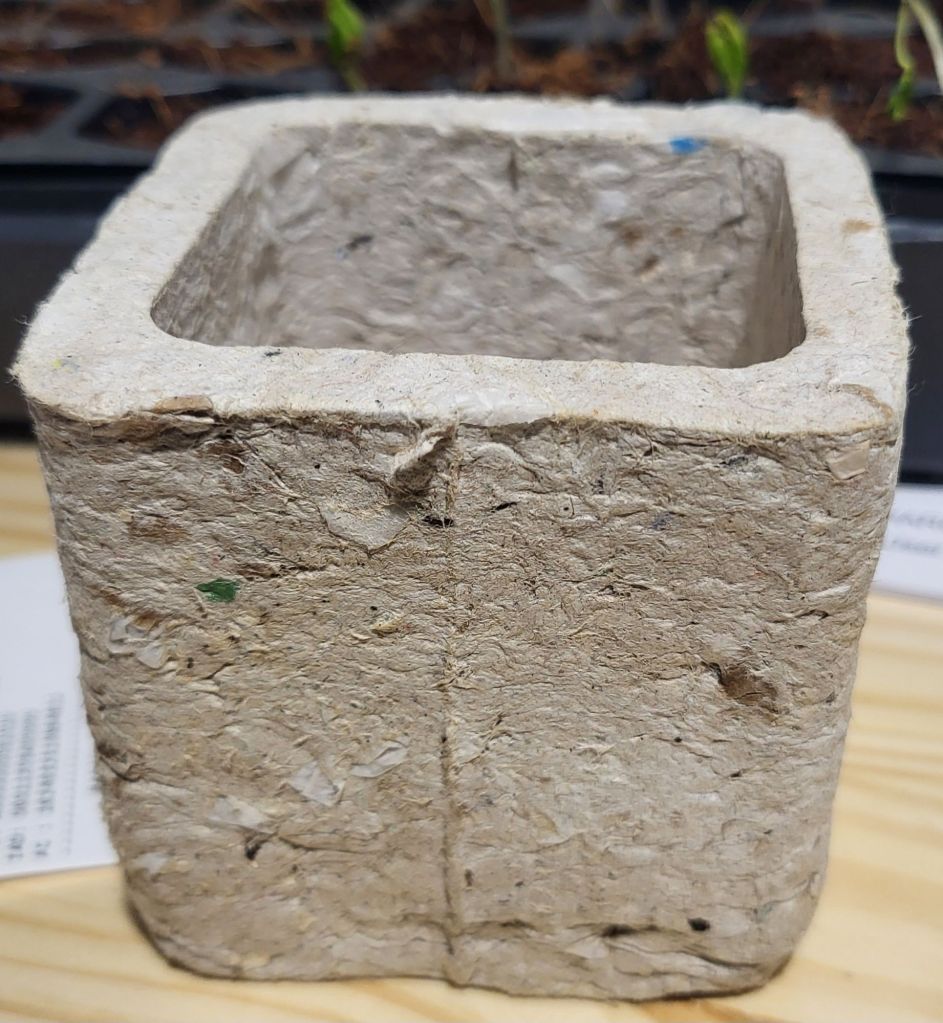
The one above is made from waste paper and is similar to one’s I’ve made in the past, except those were round. I have considered putting some sort of binder in the mix but haven’t done so yet. They seem to hold together well just from being tightly compacted in the mold.
They also work well to cut down on houshold waste, which is something I’ve been working on for some time. Obviously we can’t cut out all waste, life is messy after all. But we can all do little things in our own ways and it will make a huge impact over time.
Making things from paper pulp is a great way to make sure sensitive documents that need destroyed never fall into the wrong hands. Make a flower pot, bury it in the yard with a plant in it and nature will take care of it.
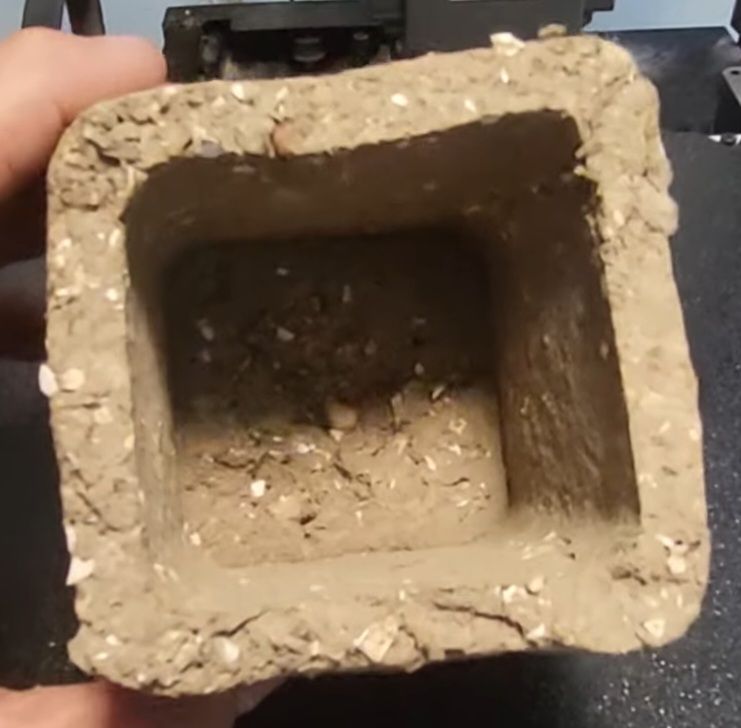
My latest attempt consisted of paper pulp and some adobe mud I dug up out of the yard. It came out crude and wasn’t real easy to work with either. It is however solid and feels substantial in comparison to the paper pulp ones.
I think if the soil was sifted and all the bigger particles were removed it would make a much better looking pot. This is a work in progress for me and I will share the results as I progress and learn!
Below are some other methods you might like better, all in all it’s a great idea to recycle and can be fun when you involve your children.
If you’ve ever felt a pang of guilt tossing those black plastic nursery pots into the bin, you aren’t alone.
While they’re convenient, they aren’t always recyclable and can linger in landfills for centuries.
The good news? You can create biodegradable starter pots using simple materials you likely already have in your kitchen or recycling bins.
These pots are fantastic because they can be planted directly into the ground, reducing “transplant shock” by keeping the delicate root systems undisturbed.
Why Go Biodegradable?
Zero Waste: You’re upcycling household waste into something functional.
Healthier Plants: Roots grow right through the walls of the pot, preventing them from becoming “root-bound.”
Convenience: No more digging plants out of plastic; just drop the whole pot into a hole and cover with soil.
3 Easy Ways to Make DIY Eco-Pots
1. The Classic Newspaper Pot
Newspaper is a gardener’s best friend. It’s thin enough to decompose quickly but sturdy enough to hold soil for a few weeks.
How to do it: Cut a strip of black-and-white newspaper (avoid the shiny, colored inserts). Wrap it around a small jar or a dedicated “pot maker” tool, fold the bottom edges inward to create a base, and slide the jar out.
Pro Tip: Use a double layer of paper if you’re growing larger seedlings like squash or cucumbers.
2. The Toilet Paper Roll Hack
This is perhaps the easiest method. Cardboard rolls are the perfect size for deep-rooted seedlings like beans or peas.
How to do it: Make four 1-inch vertical cuts at one end of the roll. Fold the flaps inward, overlapping them like you’re closing a cardboard box.
Pro Tip: Keep these in a tight tray; since they are tall and narrow, they like to tip over if they aren’t snuggled together.
3. The Hollowed Eggshell
For tiny seeds like herbs or flowers, eggshells provide a nutrient-rich “cradle.”
How to do it: Next time you make breakfast, try to crack just the top third of the egg. Rinse the shell, poke a tiny drainage hole in the bottom with a pin, fill with seed-starting mix, and plant.
Pro Tip: When you’re ready to plant, gently crush the shell in your hand before putting it in the soil to help the roots break through faster.
Tips for Success:
Watch the Water: Biodegradable pots (especially paper and cardboard) breathe more than plastic. This is great for preventing root rot, but it means they dry out faster.
Check your soil moisture daily.
Avoid Mold: Ensure good airflow around your pots. If you see a bit of white fuzz on the cardboard, don’t panic—just reduce your watering slightly and increase ventilation.
Peel the Rim: When planting, make sure no part of the paper or cardboard is sticking out above the soil line. If it is, it can act like a wick, pulling moisture away from the roots and drying out the plant.
Making your own pots is a small, satisfying step toward a more sustainable garden. Plus, there’s something incredibly rewarding about watching a plant thrive in a vessel you made yourself!
 Slocum's Creak