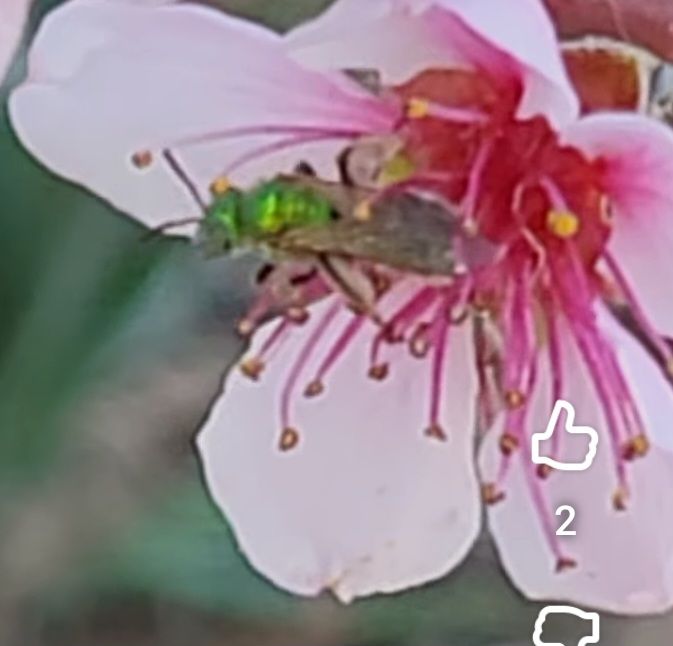
Why Golden Green Sweat Bees Matter
When people think of bees, the classic fuzzy honeybee usually steals the spotlight. But if you look closely at your flowers on a sunny day, you might spot a flash of metallic emerald zipping through the air. These are Golden Green Sweat Bees (from the family Halictidae), and they are some of the most efficient and beautiful pollinators on the planet.
Nature’s Living Jewels
These bees aren’t just pretty faces. Their vibrant, metallic sheen serves as a reminder of the incredible diversity within our ecosystems. Unlike honeybees, many species of green sweat bees are solitary, meaning they don’t live in large hives. Each female is a hard-working entrepreneur, building her own nest and providing for her offspring entirely on her own.
Heavy Lifters in the Garden
Don’t let their small size fool you. Golden green sweat bees are “generalist” pollinators, meaning they visit a huge variety of flowers. They are particularly vital for:
Wildflowers: Maintaining the genetic diversity of our local prairies and meadows.
Urban Gardens: Thriving in backyard patches where larger bees might struggle.
Agriculture: Boosting yields for crops like sunflowers, stone fruits, and alfalfa.
The “Sweat” Misconception
Their name comes from their attraction to human perspiration. While it might be a bit startling to have a metallic bee land on your arm, they aren’t looking to sting. They are simply seeking the salts and minerals found in sweat to supplement their diet. If you stay still, they’ll usually finish their “snack” and fly right back to the flowers.
Why We Should Protect Them
Like many pollinators, these bees face threats from habitat loss and pesticide use. Because they often nest in the ground or in rotting wood, they are especially sensitive to heavy tilling and chemical treatments. By leaving a little “wild” space in our yards, we ensure these emerald beauties continue to keep our world blooming.
Creating a sanctuary for golden green sweat bees is actually much easier than building a traditional honeybee hive. Since many of these bees are ground-nesters or cavity-dwellers, the best thing you can do is often a little less yard work!
Here is how you can turn your outdoor space into a five-star resort for these metallic beauties:
How to Create a Sweat Bee Sanctuary
1. Leave Some Ground Bare
While thick, green lawns are popular, they are essentially a “keep out” sign for ground-nesting bees.
The Strategy: Find a sunny, well-drained spot in your garden and clear away the mulch or grass to expose the soil.
The Benefit: Female sweat bees will tunnel into this soft earth to create waterproof cells for their larvae.
2. Provide “Bee Hotels” and Deadwood
Not all sweat bees live in the dirt; some prefer pre-existing holes in wood or pithy stems.
The Strategy: Leave dead stalks from flowers like sunflowers or raspberries standing through the winter. You can also drill small holes (between 3mm and 10mm) into untreated scrap wood.
The Benefit: These provide ready-made “apartments” for species that prefer to nest above ground.
3. Plant a Color Palette
Sweat bees are generalists, but they are particularly fond of certain flower shapes and colors.
Favorite Flavors: Focus on the Asteraceae family, which includes daisies, coneflowers, black-eyed Susans, and asters.
Color Profile: They are highly attracted to yellow, purple, and white blooms.
Succession Planting: Ensure something is blooming from early spring through late fall so they always have a food source.
4. Ditch the Chemicals
Because many sweat bees live in the soil, they are hit doubly hard by garden chemicals.
The Strategy: Avoid using broad-spectrum insecticides and synthetic fertilizers.
The Benefit: This keeps the soil healthy for the bees and ensures the nectar they collect is “clean” for their young.
5. Offer a “Salt Station”
Since they love minerals, you can create a safe spot for them to hydrate.
The Strategy: Create a shallow mud puddle or place a damp sponge in a dish with a pinch of sea salt.
The Benefit: This gives them the nutrients they need without them having to land on your arm for your sweat!
 Slocum's Creak