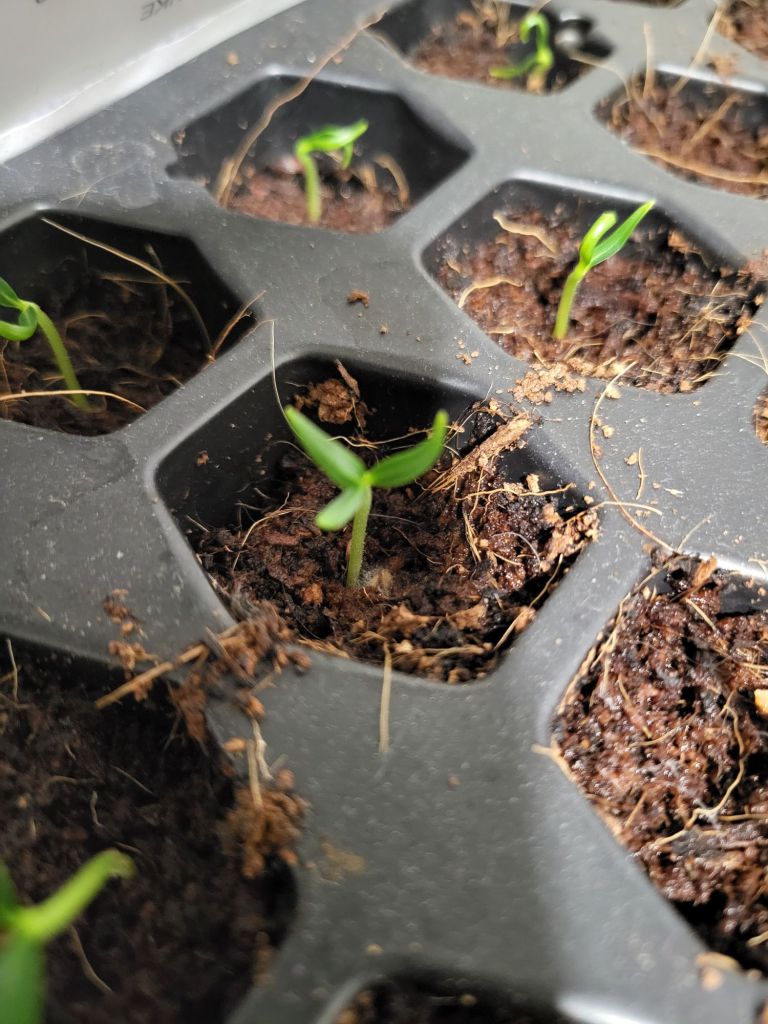
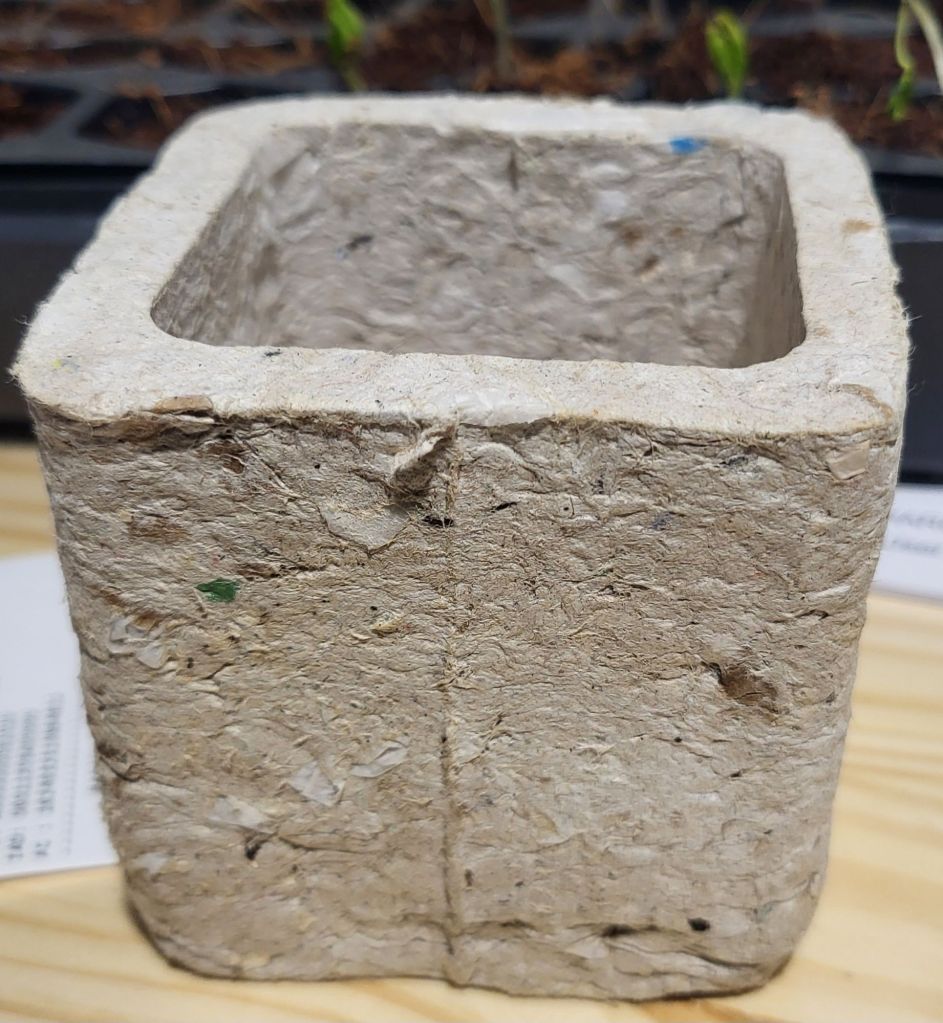
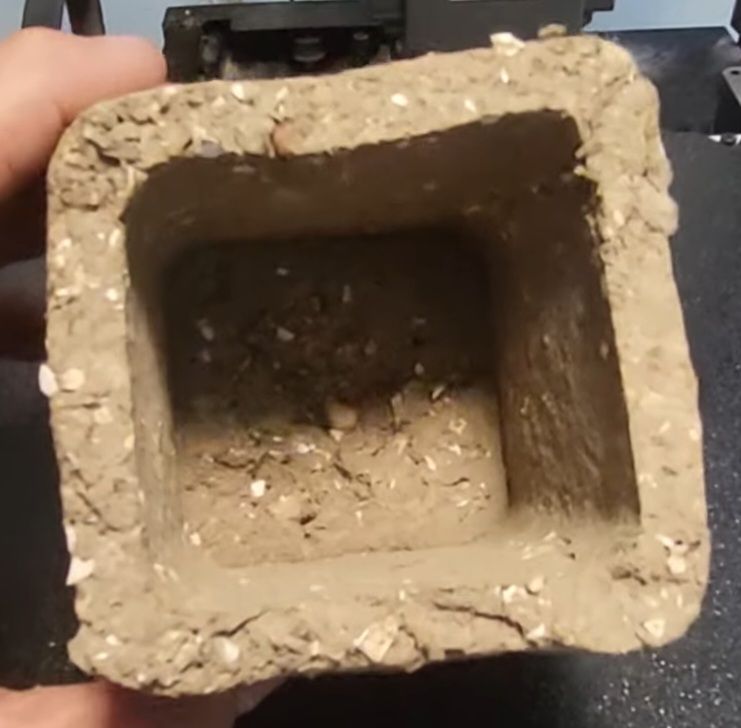
There is a unique kind of magic in holding an acorn or a walnut in the palm of your hand. It feels insignificant—just squirrel food, really. But locked inside that hard shell is the genetic blueprint for an organism that could live for centuries, grow wider than a car, and provide shade for your great-grandchildren.
Growing a tree from a nut is one of the most satisfying gardening projects you can undertake. It is almost entirely free, highly sustainable, and deeply rewarding. However, it’s not quite as simple as just shoving a nut into the dirt in November. Trees have evolutionary safeguards that require a little bit of “hacking.”
If you have some patience and a little fridge space, you can start growing your future forest today. Here is your guide.
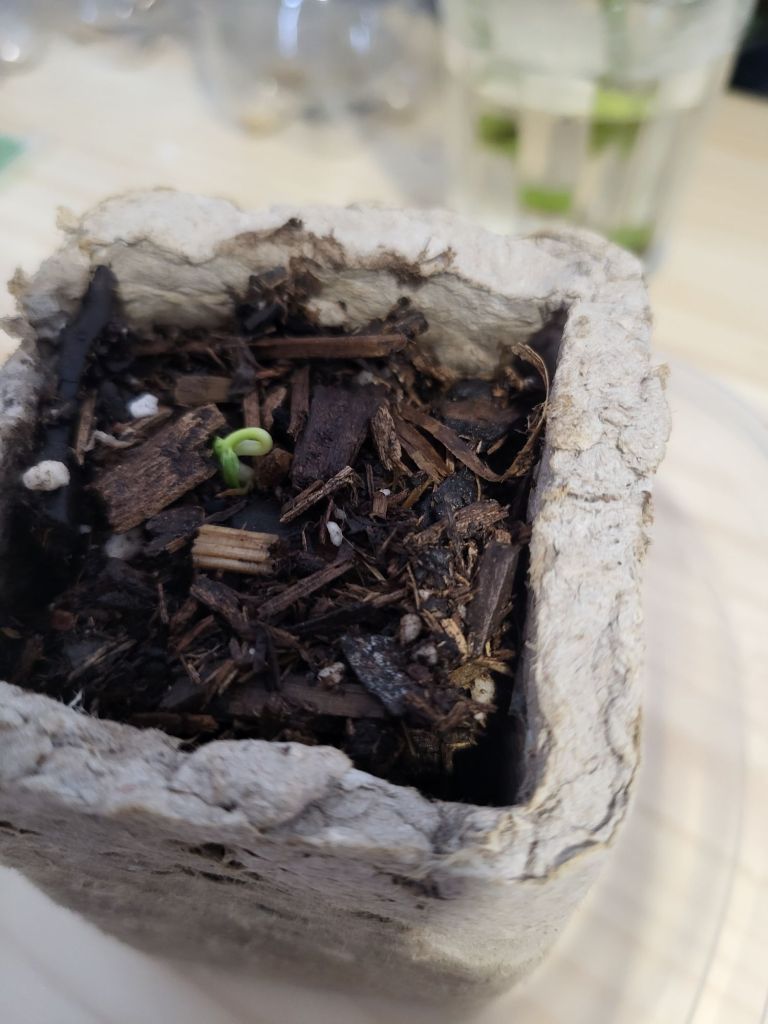
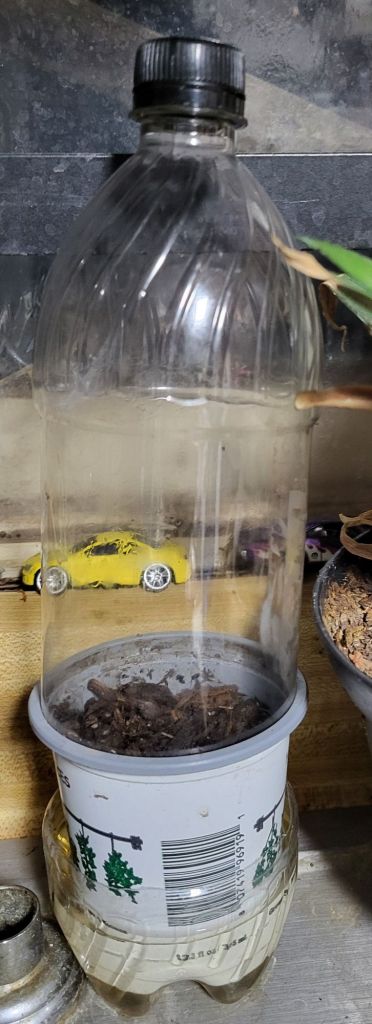
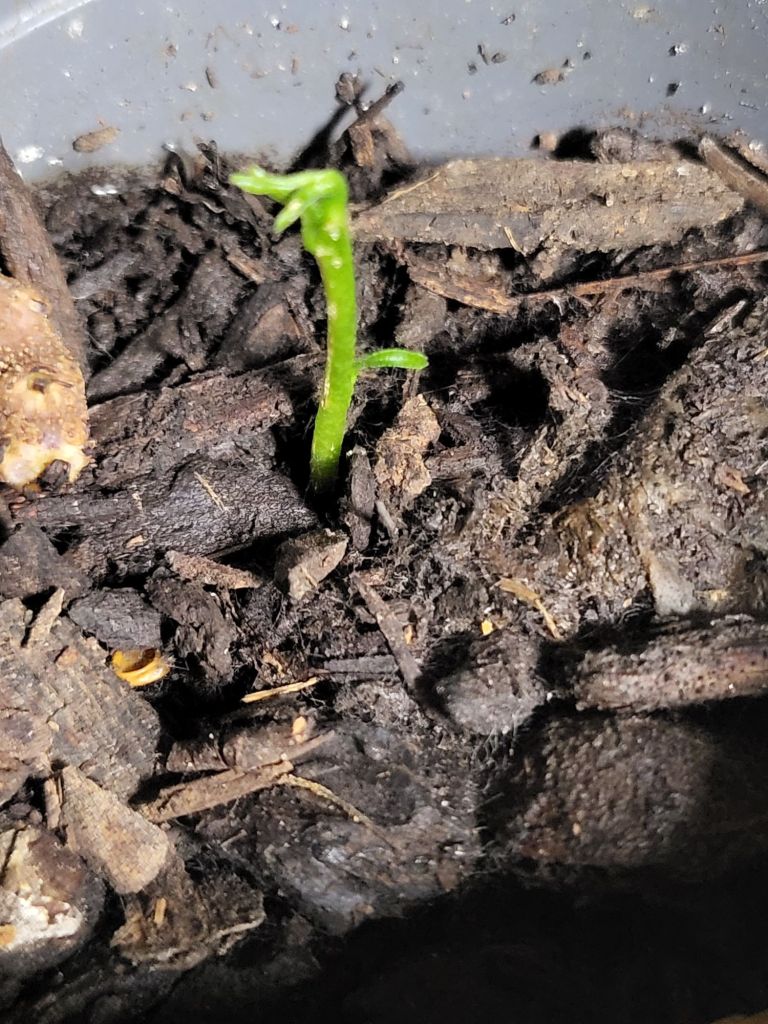
55 nuts, we will try to grow for 2026.
Step 1: The Crucial Reality Check (Hardiness Zones) Ironically, these all apparently came from the same growing zone as we are in. Yes, I bought these from a store, I don’t know anyone growing nut trees where we are. But, it is what it is.
Before you go foraging, you need to know where you live botanically.
Trees adapted to the warm winters of Georgia will perish in the frozen ground of Maine. Conversely, trees that require deep freezes to reset their internal clocks might struggle in perpetual warmth.
To ensure your tree survives long-term, you need to know your USDA Hardiness Zone. These zones define the average annual minimum winter temperature of a specific area.
Why this matters for nuts:
If you pick up an acorn from an oak tree down the street, you already know it thrives in your zone. This is the safest bet.
However, if you order special pecan nuts online, or if Aunt Sally sends you chestnuts from three states away, you must verify that the tree species is rated for your specific zone. A zone 7 pecan will not survive a zone 4 winter.
Step 2: Gathering Your Nuts
Autumn is the harvest season. The best nuts for beginners to try are:
Oaks (Acorns): Ubiquitous and surprisingly varied.
Walnuts (Black or English): Be warned, Black Walnuts hold a messy, staining dye in their outer husks!
Pecans & Hickories: Great choices if they grow in your zone.
Chestnuts: (American chestnuts are rare due to blight, but Chinese or hybrid chestnuts grow well).
The Golden Rule of Gathering: Harvest nuts directly from the tree just as they are falling, or immediately after they hit the ground. Do not pick up old, dried-out nuts that have been sitting in the sun for weeks; they are likely dead.
Step 3: The Float Test (Quality Control)
Nuts are a major food source for insects. Many of the nuts you pick up will have already been compromised by weevils drilling inside to lay eggs.
How do you tell the good from the bad? Give them a bath.
Remove the “caps” from acorns or the outer husks from walnuts.
Toss the nuts into a bucket of water.
Wait 24 hours.
Discard the floaters. If a nut floats, it usually means it’s hollow inside, dried out, or infested with bugs.
Keep the sinkers. These are dense, viable, and ready for the next step.
Step 4: Stratification (The Secret Sauce)
This is the step that trips up most beginners.
If you plant a viable acorn outside in October, and we have a warm spell in November, the acorn might get confused, sprout, and then immediately be killed by the December freeze.
To prevent this, nature created cold stratification. Most temperate nuts have a built-in dormancy mechanism. They must experience a period of cold and moisture (simulating winter) before they will wake up and germinate.
You have to trick the nuts into thinking winter has passed.
How to stratify in your fridge:
Take your “sinker” nuts.
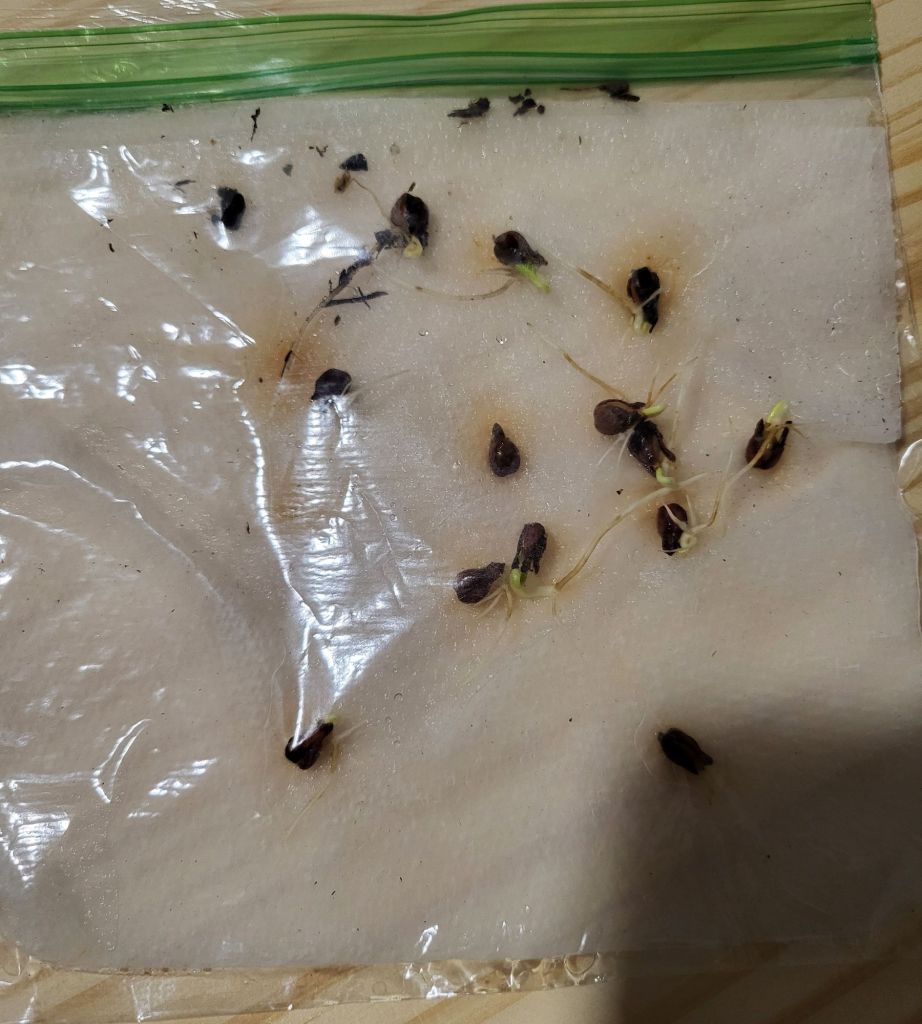
Get a Ziploc bag and fill it with a slightly damp medium—peat moss, sand, or even a damp paper towel works well. It should be moist like a wrung-out sponge, not sopping wet (wetness equals mold).
Bury the nuts in the medium, seal the bag, and label it with the date and species.
Put the bag in the back of your refrigerator.
Wait. Most nuts need 60 to 120 days of cold. Check them every few weeks to ensure they aren’t molding or drying out.
Note: Some white oak species (like the bur oak) don’t need stratification and will sprout almost immediately upon falling in autumn. You need to plant those right away.
Step 5: Planting Time!
Towards the end of winter or early spring, check your fridge bags. You might see miraculous little white root tips emerging from the nuts. It’s time to plant.
You have two options:
Option A: The Pot Method (Recommended for beginners)
Planting in pots gives you more control over water and protects the baby tree from squirrels, who will dig up every nut you plant in the ground if given the chance.
Use deep pots. Trees send down a long taproot first; give it room to grow.
Use well-draining potting soil.
Plant the nut about twice as deep as the nut is wide, usually just an inch or two below the surface. The root sprout should point down.
Place outside in a protected area.
Option B: Direct Sowing
If you want to plant directly where the tree will live forever, you must protect it. Plant the nut in the ground and immediately place a wire hardware cloth cage over the spot, securing it firmly into the ground so squirrels cannot dig under it.
A Final Note on Patience
Growing trees from nuts is the opposite of instant gratification. Your seedling might only grow six inches in its first year as it focuses all its energy on building a massive root system underground.
Don’t get discouraged. Keep it watered during summer droughts and protect it from deer and rabbits. In a few years, that tiny seedling will suddenly shoot up, and you will have the immense satisfaction of knowing you knew that giant when it fit in your pocket.
Below is hopefully an active link to the hardiness zone.
A while back, I caught a metal bar to the face. I hit me in the mouth, broke a cap, and drove several of my lower teeth through the area just below the lip. To say it hurt would be a massive understatement, at best.
This was about 4 weeks ago, I’ve been waiting for things to heal up a bit before going in to have things checked out. There is still a sore that hasn’t healed completely, and it still hurts. I won’t go into specifics because it isn’t necessary, on the upside my teeth have reset so they aren’t still loose and I will go in to have some filling put back in and get the busted cap repaired.
However, there seems to be some sort of mental thing going on along with. Guess perhaps it finally sank in that I’m not Superman after all.
My tolerance for disrespect has all but vanished, I feel anxious and unsure about many things. To be honest, I’m not sure if everything is tied together or if it’s just that I’m in a funk. I guess time will tell.
Below are some of the steps I’ll be taking to resolve whatever it is that I am dealing with. I hope perhaps it may help someone else as well.
🧭 Navigating the Storm:
How to Stay Afloat When Life Gets Difficult.
We all hit patches where the road feels less like a smooth highway and more like a rocky, uphill climb. Whether it’s a major setback, an unexpected loss, or just the accumulated stress of daily life, those moments when “difficult” feels like an understatement are inevitable. The good news? You have more strength than you realize. Dealing with life’s difficulty isn’t about avoiding the storm—it’s about learning how to build a better boat. 1. Acknowledge and Validate Your Feelings The first and often hardest step is to stop fighting your reality. When things are difficult, it’s natural to feel frustrated, sad, angry, or overwhelmed. Don’t try to shame yourself into “just being positive.” Practice Self-Compassion: Treat yourself with the same kindness and understanding you would offer a struggling friend. Tell yourself, “This is hard, and it’s okay that I’m struggling right now.” Give It a Name: Identifying the emotion (e.g., “I feel anxious about money,” or “I am grieving the loss of time”) helps you move from being in the emotion to being able to observe it. 2. Focus on the Smallest Next Step When the whole picture is overwhelming, zoom in. A difficult life situation often feels like a massive, unmovable mountain. You don’t have to climb the mountain today; you just have to take the next step. Break it Down: Instead of “Fix my career,” try “Update my resume today.” Instead of “Clean the whole house,” try “Wash the dishes in the sink.” The Power of 10 Minutes: If a task feels insurmountable, commit to it for just ten minutes. Chances are, once you start, you’ll gain enough momentum to continue, but if not, you still made progress. 3. Lean on Your Pillars of Support Trying to shoulder a heavy burden alone is the fastest route to burnout. Vulnerability is a strength, not a weakness. Reach Out: Call a trusted friend, family member, or a professional therapist. You don’t need a solution; sometimes, you just need someone to listen without judgment. Define Your Circle: Who makes you feel seen, heard, and uplifted? Prioritize time and communication with these people and temporarily set boundaries with those who drain your energy. 4. Protect Your Non-Negotiables (Self-Care) When stress spikes, the first things to go are often sleep, exercise, and good nutrition—the very things you need most. Move Your Body: Even a ten-minute walk can release tension and shift your perspective. Movement is not an optional luxury; it is a vital stress-management tool. Prioritize Sleep: Difficult periods demand more energy, making restorative sleep critical. Try to maintain a consistent sleep schedule, even if your mind is racing. Establish a “Micro-Ritual”: Find one small, consistent ritual that is just for you. This could be brewing a special tea, reading for five minutes before bed, or listening to one favorite song. It’s a small anchor of peace in the chaos. 5. Shift Your Narrative: The Power of Perspective While you can’t control what happens to you, you can absolutely control the meaning you assign to it. What is This Teaching Me? In every difficulty, there is a lesson waiting to be uncovered—resilience, patience, creative problem-solving, or gratitude for what you still have. Frame the challenge not as a punishment, but as a crucible for growth. The “One Good Thing” Rule: Before bed, try to recall and write down just one genuinely good thing that happened that day. It doesn’t have to be big—a good cup of coffee, a genuine laugh, or a moment of sunshine. This practice helps retrain your brain to see glimmers of hope. Life getting difficult is not a failure; it’s a fundamental part of the human experience. Be patient with yourself, be kind to yourself, and remember that just like the seasons, all storms eventually pass. You’ve gotten through 100% of your hardest days so far. You’ve got this one, too. What specific aspect of dealing with difficulty would you like to read more about next—for example, managing stress through mindfulness, or practical steps for bouncing back from failure?
If you’ve been captivated by the tangy, airy loaves of sourdough bread, it all begins with one essential ingredient: the sourdough starter. This isn’t just a mix of flour and water; it’s a living, breathing colony of wild yeast and bacteria that gives sourdough its distinctive flavor and rise. Creating and maintaining a starter, often nicknamed a “pet,” is a rewarding journey.
This comprehensive guide will walk you through everything you need to know, from the initial mix to getting your starter “bake-ready.”
Part 1: Starting from Scratch (Day 1-7)
What You’ll Need
Flour: All-purpose or bread flour works, but rye or whole wheat flour will supercharge the initial process as they are rich in the naturally occurring microbes you’re trying to capture.
Water: Non-chlorinated or filtered water is best. Chlorine can inhibit the growth of the wild yeast. If you only have tap water, let it sit out for an hour or two to allow the chlorine to dissipate.
A Container: A clean, clear, straight-sided jar (like a quart-sized mason jar) is ideal. Clear sides help you watch for bubbles, and straight sides make it easier to see how much it has risen.
A Stirring Utensil: A wooden or rubber spatula. Avoid metal if you can, though it generally won’t harm the starter.
The Initial Mix
On Day 1, combine the following in your jar:
1/2 cup (60g) flour
1/4 cup (60g) water
Mix thoroughly until all the flour is hydrated and you have a thick paste. Lightly cover the jar (a towel, coffee filter, or a lid placed loosely on top is fine—you need airflow) and place it in a warm spot, ideally between $70^{\circ}$F and $80^{\circ}$F.
The Feeding Schedule (The Next 6 Days)
For the next 6 days, you will feed your starter once every 24 hours.
Discard: Remove and discard half of your starter. (Don’t worry, this is necessary to manage the volume and keep the yeast happy).
Feed: Add 1/2 cup (60g) flour and 1/4 cup (60g) water to the remaining starter.
Mix: Stir until fully combined.
Repeat: Cover and place it back in its warm spot.
What to Expect
Day 1-2: Not much will happen. You might see a few tiny bubbles, which is a good sign.
Day 3-4 (The “Honeymoon”): You’ll likely see a flurry of activity—lots of bubbles and a noticeable rise. Don’t be fooled! This initial activity is often from bacteria, not the strong yeast you need for baking.
Day 5-7: The activity might slow down significantly. This is normal; the strong, acid-producing bacteria are taking over and creating a safe environment for the yeast. Keep feeding!
Part 2: Achieving a Bake-Ready Starter
A healthy, “bake-ready” starter must consistently pass two key tests.
The Consistency Test (The “Double Test”)
A healthy, active starter should:
Double in size within 4-8 hours after a feeding.
Be filled with bubbles and look spongy and dome-like at its peak.
If your starter consistently doubles after its feeding, you can switch to a twice-a-day feeding schedule to strengthen it even further, preparing it for baking.
The Float Test
To determine if your starter has enough \text{CO}_2 to raise a loaf of bread, perform the float test:
Take a small teaspoon of starter at its peak (right after it has doubled).
Gently drop it into a glass of room-temperature water.
If it floats, it’s ready to bake with! The trapped gas means it’s active and potent.
If it sinks, it needs more time and more consistent feeding.
Part 3: Sourdough Starter Maintenance
Once your starter is active and you’re regularly baking, you need a plan for storage.
Storing at Room Temperature (If Baking Daily/Every Other Day)
If you bake often, keep your starter on the counter and feed it once or twice a day. Use a 1:1:1 ratio by weight (starter:flour:water) for maintenance feedings. For example:
50g Starter
50g Flour
50g Water
Storing in the Refrigerator (The “Low-Maintenance” Method)
For most home bakers who bake once or twice a week, the fridge is your best friend.
Feed your active starter as usual.
Let it sit out for 1-2 hours to kickstart the activity.
Place it in the fridge. The cold slows down the fermentation process significantly.
Maintenance: Feed your starter once a week. Take it out, let it warm up for an hour, discard half, feed it its normal ratio, and then place it back in the fridge a few hours later, once you see some small signs of bubbles.
A Note on Ratios
You will often see sourdough recipes call for a specific starter ratio, such as “100% hydration.” This simply refers to the equal weight of water and flour in the starter (50\text{g} water and 50\text{g} flour is 100\% hydration). Most common starters are kept at 100% hydration for simplicity and consistency in baking.
Happy baking! Your journey to perfect sourdough begins now.
Troubleshooting Common Issues that can come up. Part 4: Troubleshooting Common Issues Maintaining a sourdough starter is a journey, and encountering hiccups is normal. Here are solutions to the most common problems you might face: 1. The Presence of “Hooch” If you see a thin, gray or brownish liquid collecting on top of your starter, this is called hooch. Hooch is an alcohol byproduct and is a clear sign that your starter is hungry and has consumed all its available food (flour). Solution: You have two options. You can gently pour the hooch off before feeding, or you can simply stir it back in (this will give your bread a tangier flavor). Then, discard half of your starter and give it a larger or more frequent feeding to keep it happier and better fed. 2. Slow or No Activity If your starter is flat, rarely bubbles, or fails to double in size, it might be too cold or too young. Solution: Ensure your starter is in a warm spot, ideally between $70^{\circ}$F and $80^{\circ}$F. If it’s still in the first two weeks, be patient—it takes time for the yeast colony to establish itself. You can also try switching to whole grain rye or whole wheat flour for a few feedings, as these flours contain more natural yeast and bacteria to kickstart activity. 3. Smells Like Acetone or Nail Polish Remover A very sharp, acidic, or solvent-like smell indicates that the starter is over-fermenting, often due to high levels of acetic acid. This smell is harmless but means the starter is stressed. Solution: You need to “dilute” the acidity. Discard most of your starter, keeping only a very small amount (about 1 tablespoon). Feed this small amount a much larger meal (for example, 100g of flour and 100g of water). This large feeding will immediately lower the concentration of acid and help reset the starter. 4. Mold or Discoloration If you see fuzzy spots of green, pink, or black mold, or any unusual colors that don’t look like hooch, your starter has been contaminated. Solution: Unfortunately, mold means the starter is compromised and should be discarded entirely. Thoroughly clean your container with soap and hot water, and start the process again from Part 1. Always use clean utensils and containers to minimize this risk.
If you’d like to follow along on our attempt at a sourdough starter, here’s a link to the video on my youtube channel.
I keep working towards self sufficiency, but seems an uphill and at times costly learning experience for me since I am learning on my own. That being said.
Power Up Your Homestead:
A Guide to DIY Solar Power Thinking about taking your homestead off-grid? You’re not alone. The dream of self-sufficiency often includes a reliable, independent power source, and for many homesteaders, that means embracing the sun. DIY solar power is an incredibly rewarding project that can significantly reduce your reliance on the grid and cut down on utility costs. But where do you even begin? Why Go Solar on the Homestead? Energy Independence: The most compelling reason. Generating your own power means you’re no longer subject to power outages or rising electricity rates. Sustainability: Solar energy is a clean, renewable resource. By using it, you’re reducing your carbon footprint and living more in harmony with the natural world. Cost Savings: While the initial investment can be significant, the long-term savings on your electricity bill are substantial. Over time, your solar system will pay for itself. Scalability: You can start small, powering a single outbuilding or a water pump, and then expand your system as your needs and budget grow. Key Components of a DIY Solar System Before you start ordering parts, it’s crucial to understand the basic components of a solar power system. Solar Panels (PV Panels): These are the heart of your system. They capture sunlight and convert it into direct current (DC) electricity. The more panels you have, the more power you can generate. Charge Controller: This is a vital piece of equipment for off-grid systems. It regulates the flow of electricity from the solar panels to your batteries, preventing overcharging and protecting your battery bank’s lifespan. Battery Bank: For off-grid living, you’ll need a way to store the energy you generate during the day so you can use it at night or on cloudy days. Deep-cycle batteries are the most common choice for solar systems. Inverter: Most household appliances run on alternating current (AC) power. An inverter takes the DC power stored in your batteries and converts it into usable AC power. Wiring and Safety Equipment: Don’t forget the wires, fuses, circuit breakers, and other safety components. Proper wiring is essential for the efficiency and safety of your system. Planning Your System: A Step-by-Step Approach Assess Your Power Needs: This is the most critical first step. Make a list of all the appliances and devices you want to power. Use a watt meter to measure their energy consumption. This will help you determine how many panels and batteries you’ll need. Determine Your Location: Where will you place your panels? A south-facing roof or a ground-mounted array with unobstructed access to sunlight is ideal. Consider the angle of the sun at different times of the year. Choose Your Components: Based on your power needs and location, you can now select the right size and type of panels, charge controller, batteries, and inverter. Don’t be afraid to research different brands and options. Gather Your Tools and Materials: You’ll need basic tools like a drill, wire strippers, and a multimeter, along with the components you’ve selected. Installation: This is the hands-on part. Securely mount your panels, wire them to the charge controller and battery bank, and connect the inverter. Always prioritize safety. If you’re not confident, consult with an electrician or a solar professional. Enjoy the Power! Once everything is wired up and working, you can flip the switch and start enjoying the fruits of your labor. Is DIY Solar Right for You? DIY solar requires a bit of research, a willingness to learn, and some physical labor. But the satisfaction of knowing you built your own power system from the ground up is immense. Not only will you save money and increase your self-sufficiency, but you’ll also gain a deeper understanding of energy and how it works. If you’re a homesteader looking to truly take control of your resources, DIY solar power might just be the perfect project for you. Start small, learn as you go, and watch your homestead become a beacon of sustainable, self-reliant living. Have you already started your solar journey? Share your tips and experiences in the comments below!
I always thought I knew what a “mid-life crisis” looked like. Maybe a flashy sports car, a sudden urge for adventure, a desperate grasp at lost youth.
But at 61, I figured I was well past that particular milestone. I was settled, grounded, and believed I had a good handle on who I was and where I was going.
Then, something shifted. It wasn’t a sudden crash, more like a slow, creeping fog rolling in.
A feeling of unease, a quiet questioning of… well, everything. It wasn’t despair but a profound sense of the unknown.
A feeling that the map I’d been following for decades had suddenly gone blank, right when I thought I was nearing familiar shores.
I tried to articulate it, this strange, undefined “funk.” It felt like standing at the edge of a vast, empty space, wondering what comes next. And in a moment of vulnerability, I shared this nascent, confusing experience with the one person I believed would always be there, the one who promised to have my back, to be by my side, always.
But “always” can be a fleeting concept, it seems. The moment I confessed to feeling lost, to not understanding my own internal landscape, the hand I expected to steady me withdrew.
The person who vowed unwavering support walked away. And just like that, the uncharted waters I was already navigating became even more turbulent.
This isn’t about blaming; it’s about acknowledging a painful truth. When we’re grappling with our own internal shifts, when the very ground beneath us feels uncertain, the absence of expected support can feel like a secondary earthquake. It adds a layer of confusion and hurt that’s hard to reconcile.
So, here I am, 61, experiencing not a crisis of youth, but a different kind of reckoning. A “later-life transition,” perhaps complicated by the unexpected fragility of human connection.
It’s a journey into a new phase where the rules seem to have changed, and the companions you thought were steadfast might not be.
If you’re reading this and finding yourself in a similar space – perhaps questioning your purpose, feeling a subtle disconnect, or even facing the painful reality that not all promises are kept – please know this: You are not alone. This isn’t a sign of weakness; it’s a testament to the ongoing evolution of life. Our stories don’t end at 40, or 50, or even 60. We continue to grow, to change, to face new challenges and joys.
And sometimes, those challenges arrive in unexpected forms, forcing us to redefine ourselves, even in the face of loss.
I don’t have all the answers yet. I’m still in the fog, still trying to decipher this new map. But I’m learning that perhaps the most profound journey is the one we undertake when we don’t know the destination, and when we realize our greatest strength might just be our ability to keep walking, even when we walk alone for a while.
If you’ve been through something similar, I’d love to hear your thoughts. How did you navigate the uncharted waters? What did you discover about yourself when life threw you an unexpected curveball?
We were recently given so many potatoes that if we don’t get to dehydrating them soon, they will spoil.
I’m experimenting with making instant potatoes and thought I’d share what we are doing here.
Skins on, spread thinishly..
A Spud-tacular Solution: Dehydrating Potatoes for Long-Term Storage Here in Syracuse, Kansas, a good harvest is something to be celebrated. But what do you do when you have more potatoes than you can possibly eat before they start to sprout or shrivel? The answer, my friends, is dehydration! Dehydrating potatoes is an incredible way to preserve your bounty, reduce food waste, and create a shelf-stable pantry staple that’s ready for anything. Whether you’re a prepper, a camper, or just a smart home cook, dehydrated potatoes are a game-changer. Let’s walk through the simple steps to turn a fresh spud into a long-term food storage hero. Why Dehydrate Potatoes? Space Saving: Potatoes take up a lot of room. Dehydrating them shrinks them down to a fraction of their original size, freeing up valuable pantry or storage space. Longevity: When properly dehydrated and stored, potatoes can last for years, sometimes even decades. This makes them a perfect addition to your emergency food supply. Versatility: Dehydrated potatoes can be used in a surprising number of ways. From hearty soups and stews to quick hash browns and mashed potatoes, they’re incredibly versatile. Cost-Effective: If you’re growing your own potatoes or buying them in bulk when they’re on sale, dehydrating is a fantastic way to save money and ensure you have a supply all year long. The Golden Rule: Blanching is Non-Negotiable Before we get to the how-to, let’s talk about the most crucial step: blanching. You might be tempted to just slice and dry, but dehydrating raw potatoes will cause them to turn an unappetizing dark gray or black. Blanching the potatoes in boiling water or steam for a few minutes before drying stops the enzyme action that causes discoloration and helps the potatoes rehydrate better later on. Step-by-Step Guide to Dehydrating Potatoes 1. Prep Your Potatoes: Start with firm, blemish-free potatoes. Russet or Yukon Gold varieties work well. Wash and scrub the potatoes thoroughly. Peeling is optional—leaving the skin on adds nutrients and a rustic flavor. If you do peel them, place them in a bowl of cold water as you work to prevent them from browning. 2. Slice or Cube Evenly: Uniformity is key for even drying. Use a mandoline slicer, a food processor with a slicing blade, or a sharp knife to create consistent slices. Aim for a thickness of about ⅛ to ¼ inch. You can also cut the potatoes into small cubes or shred them for hash browns. Remember to keep them submerged in cold water until you’re ready for the next step. 3. Blanch the Potatoes: Bring a large pot of water to a rolling boil. Working in small batches, add the potato slices or cubes to the boiling water. Blanching Times: Slices/Cubes: 4-6 minutes Shreds: 2 minutes Once blanched, immediately scoop the potatoes out and plunge them into a large bowl of ice water to stop the cooking process. 4. Pat Dry: Drain the potatoes from the ice bath and spread them on a clean kitchen towel. Pat them dry to remove as much surface moisture as possible. The drier they are, the faster they will dehydrate. 5. Arrange on Dehydrator Trays: Place the potato slices, cubes, or shreds in a single, non-overlapping layer on your dehydrator trays. Proper airflow is essential for a successful drying process. 6. Dehydrate! Set your dehydrator to 125-140°F (52-60°C). The total drying time will vary depending on your dehydrator, the thickness of your potato pieces, and the humidity in the air. This can take anywhere from 6 to 12+ hours. The potatoes are fully dry when they are brittle, hard, and snap when you bend them. If they are still flexible or leathery, they need more time. 7. Cool, Condition, and Store: Let the dehydrated potatoes cool completely to room temperature. Conditioning: This is an important final step. Place the cooled potatoes in a jar or airtight container, but don’t seal it yet. For the next week, shake the jar once or twice a day. This helps redistribute any remaining moisture and ensures all pieces are evenly dry. If you see any condensation, put the potatoes back in the dehydrator for a few more hours.
Once conditioned, store your dehydrated potatoes in an airtight container in a cool, dark, and dry place. For the absolute longest shelf life, consider using a vacuum sealer or adding an oxygen absorber to the container.
How to Use Your Dehydrated Potatoes Rehydrating is as easy as adding them to boiling water. For soups and stews, you can often just toss them in and they will rehydrate as the dish cooks. For standalone dishes like scalloped potatoes or hash browns, soak them in hot water until they are tender. Dehydrating potatoes might seem like a lot of work, but the payoff is immense. It’s a skill that empowers you to take control of your food supply and enjoy the bounty of the earth long after the harvest is over.
Instant Gratification, Long-Term Storage: Making Your Own Instant Mashed Potatoes We all know the convenience of those boxed instant potatoes. They’re a staple for a quick dinner or a camping trip. But what if you could make your own, with all the flavor and none of the additives? The process is surprisingly simple, and the result is a shelf-stable, delicious pantry item that will make your future self very happy. This method takes the dehydration process one step further, turning a simple potato into a magical, fluffy powder. Here’s how to create your own instant potato flakes.
The Secret Ingredient: Mashing Before You Dry Unlike the previous article, where we dried slices or cubes, the key to making instant potatoes is to cook and mash them before they hit the dehydrator. This breaks down the starches in a way that allows them to rehydrate into a smooth, creamy texture later.
A Word of Caution: Do not add any milk, butter, or other fats when mashing. Fats do not dehydrate properly and will cause your final product to go rancid over time. You’ll add those ingredients when you’re ready to eat! Step-by-Step Guide to DIY Instant Potatoes
1. Cook Your Potatoes: Wash and peel your potatoes. Russet potatoes are an excellent choice for this as their high starch content leads to a fluffier final product. Cut them into uniform pieces (about 1-2 inches) to ensure even cooking. Place the potatoes in a pot and cover them with cold water. Bring to a boil and cook until they are very tender—a little over-cooked is better than under-cooked for this project. 2. Mash ‘Em Up! Drain the potatoes, reserving some of the cooking water. Mash the potatoes until they are completely smooth and free of lumps. You can use a potato ricer, a hand mixer, or even a food mill for the best results.
Slowly add a little of the reserved cooking water back into the potatoes as you mash to create a consistency that’s a bit looser than you would normally make mashed potatoes. A smooth, spreadable “potato paste” is what you’re aiming for. 3. Spread Thinly on Trays: Line your dehydrator trays with non-stick sheets or parchment paper. This is crucial because the mashed potato mixture will be sticky. Using an offset spatula or a similar tool, spread the mashed potatoes into a very thin, even layer. The thinner you spread it, the faster it will dry. Aim for a thickness of about ⅛ of an inch. 4. Dehydrate Until Brittle: Place the trays in your dehydrator and set the temperature to 135°F (57°C). The drying time will vary, but expect it to take anywhere from 8 to 12 hours or more, depending on your machine and how thinly you spread the mixture. The potatoes are done when they are completely brittle, snap cleanly, and feel like a crisp cracker. If they are at all bendable, they need more time. 5. Grind into a Fine Powder: Once the potato sheets are cool and brittle, break them into smaller pieces. Use a food processor, a high-powered blender, or a coffee grinder to process the dried potato sheets into a fine powder or flakes. Store the powder in a clean, airtight jar or container. For the best long-term storage, a vacuum-sealed bag with an oxygen absorber is a great option. Rehydrating Your Homemade Flakes When you’re ready for some creamy mashed potatoes, the process is simple: For every ½ cup of potato flakes, bring about ⅔ to ¾ cup of water or broth to a boil. Remove from heat and stir in the potato flakes. Add your favorite seasonings, a tablespoon of butter, and a splash of milk or cream. Fluff with a fork and enjoy a bowl of delicious, homemade instant mashed potatoes!
I was recently gifted an older boot dryer at a yardsale that was closing down right as I was showing up.
It’s a Dry-Doc for those who may have heard of the brand. It’s a solid unit and looks decent. My only complaint is that the fan doesn’t move a lot of air. I’m not sure if it’s a design flaw or perhaps just an old fan.
In any event, I’ve been told for years I should get one, the prices on the ones I thought I might like were a little high. However, with this one being free, I can easily afford to update it and make it better.
What follows are some things to know and consider before buying a boot dryer, new or used. I’m considering 3D printing a mount for a hair dryer to super charge this thing, though time will tell. With all the other projects I have going on, it may be a while before I get to it.
Kiss Soggy Boots Goodbye: A Guide to Boot Dryers Living in Syracuse, Kansas, we know a thing or two about unpredictable weather and the toll it takes on our footwear. From spring showers turning fields into muddy messes to winter snowdrifts soaking our boots, damp footwear is a common nuisance. But what if you could banish those soggy woes and slip into warm, dry boots every time? That’s where the magic of boot dryers comes in! More than just a luxury, a good boot dryer is an investment in comfort, hygiene, and the longevity of your footwear. But with so many options on the market, how do you choose the right one? Let’s dive into the world of boot dryers and explore the different types, styles, and some brands you might consider. Why Invest in a Boot Dryer? Before we delve into the specifics, let’s quickly recap why a boot dryer deserves a spot in your mudroom or entryway: Comfort: There’s nothing better than putting on warm, dry boots on a cold morning. Hygiene: Damp environments breed bacteria and fungi, leading to unpleasant odors and potential foot problems. Boot dryers help prevent this. Boot Longevity: Constant moisture can damage the materials of your boots, causing them to crack, rot, or lose their shape. Drying them properly extends their lifespan. Time Savings: Forget stuffing newspaper or waiting days for your boots to air dry. A boot dryer gets the job done quickly and efficiently. Types of Boot Dryers: Boot dryers generally fall into a few key categories based on their drying mechanism: Forced Air Dryers: These are perhaps the most common type. They use a fan to circulate warm or ambient air through nozzles or tubes that are inserted into your boots. They are generally effective for most types of footwear and can dry boots relatively quickly. Pros: Fast drying times, good for various boot types. Cons: Can be slightly louder due to the fan. Convection Dryers (Silent Dryers): These dryers utilize natural air circulation and sometimes a gentle warming element to dry boots. They don’t have a fan, making them completely silent. They typically feature posts or platforms where you place your boots. Pros: Silent operation, gentle on footwear. Cons: Drying times can be longer compared to forced air dryers. Heated Element Dryers: These dryers use heated elements within the boot to gently warm and dry them from the inside out. They are often compact and portable. Pros: Portable, energy-efficient for individual boots or gloves. Cons: May not be as effective for heavily soaked items or larger boots. Styles of Boot Dryers: Beyond the drying mechanism, boot dryers also come in various styles to suit different needs and spaces: Freestanding Units: These are standalone dryers that can typically accommodate multiple pairs of boots or shoes. They are ideal for families or individuals with several pairs of footwear that need drying regularly. Wall-Mounted Units: Perfect for saving floor space, these dryers are mounted to the wall in your mudroom or garage. They often have flexible hoses that can be extended into boots. Portable Units: Compact and lightweight, these dryers are great for taking on trips, to the ski slopes, or keeping in your car. They often dry one pair of boots or gloves at a time. Boot Dryer Attachments: Some general-purpose dryers or heating systems may have attachments specifically designed for drying boots. Popular Brands to Consider (Availability May Vary in Syracuse, KS): While specific availability in Syracuse, Kansas might vary, here are some well-regarded brands in the boot dryer market you can research: PEET Dryer: A very popular and established brand known for their silent, convection-style dryers that are gentle and effective. They offer various models for different needs. DryGuy: Offers a range of forced air and convection dryers, often with features like timers and multiple attachments for boots, gloves, and helmets. MaxxDry: Another reputable brand specializing in forced air dryers known for their power and speed. L.L.Bean: Often carries their own branded boot dryers known for their quality and durability. Amazon Basics: A budget-friendly option offering basic functionality. KOODER: A brand often found online offering portable and multi-functional dryers. Choosing the Right Boot Dryer for You: When selecting a boot dryer, consider the following factors: Frequency of Use: How often will you need to dry your boots? Number of Users: How many pairs of boots will you typically need to dry at once? Types of Footwear: Will you be drying mostly work boots, snow boots, hiking boots, or more delicate footwear? Drying Time Preference: Do you need boots dried quickly or is a gentler, slower process acceptable? Noise Level: Is a quiet operation important to you? Space Constraints: Do you need a compact or wall-mounted unit? Budget: Boot dryers range in price, so determine how much you’re willing to spend. Tips for Using Your Boot Dryer: Remove excess moisture and debris: Before placing your boots on the dryer, shake out any loose dirt or snow. You can also use a towel to dab away excess water. Follow manufacturer instructions: Always adhere to the specific guidelines provided by the boot dryer manufacturer. Don’t overload the dryer: Ensure proper airflow by not overcrowding the drying arms or posts. Consider using a timer: If your dryer has a timer, use it to avoid over-drying your boots. Clean your dryer regularly: Wipe down the exterior and remove any lint or debris from air vents. Say Goodbye to Soggy Feet! Investing in a boot dryer is a simple yet impactful way to improve your comfort, maintain the health of your feet, and extend the life of your valuable footwear. Whether you opt for the silent efficiency of a convection dryer or the rapid drying power of a forced air model, you’ll wonder how you ever lived without one, especially during those wet seasons here in Syracuse. So, do your research, consider your needs, and get ready to say goodbye to the discomfort of soggy boots for good!
Why Thoughtful Communication Matters In our fast-paced world, where tweets fly and instant messages abound, it’s easy to forget the profound impact of the words we choose.
I write of this because one carelessly chosen word upended our little corner of the world. My attempts to correct said mistake made matters even worse, and it would seem impossible to now correct. I share this in hopes of helping someone else avoid a similar mistake.
If perhaps you misspeak or use an ill-fitting word, try not to take offense at someone for calling you out over it, especially if it’s someone that you care about. You never know how your choice of words will be received, no matter how well intended.
This has nothing to do with homesteading, I can almost hear you saying.
And for the most part, you’d be right. However, one wrong word can blow up and become a disagreement and turn into a long series of words that once said can not be taken back and the damage caused irreparable. Especially if you’re a dunderhead like me, and wreck what you thought you knew would one day be.
We might dash off a quick email, fire back a sarcastic comment, or post a fleeting thought online without a second’s hesitation.
But just like a stone dropped into a pond, our words create ripples – and those ripples can extend far beyond our immediate perception.
That’s why thoughtful communication isn’t just a nice-to-have; it’s an essential skill, a cornerstone of strong relationships, effective leadership, and a more compassionate world.
More Than Just Letters: The True Nature of Words Words are not merely combinations of letters. They are: * Vessels of emotion: They carry our joy, our anger, our empathy, and our frustration. * Builders of bridges (or walls): They can foster understanding and connection, or they can create division and animosity. * Seeds of ideas: They can inspire, motivate, and educate, shaping perspectives and igniting change. * Reflections of ourselves: The way we speak and write reveals much about our character, our values, and our respect for others. The Ripple Effect: Why Thoughtfulness Pays Off When we take the time to consider our words before we utter or type them, we unlock a multitude of benefits: * Stronger Relationships: Clear, empathetic, and respectful communication builds trust and strengthens bonds with friends, family, and colleagues. Misunderstandings decrease, and genuine connection flourishes. * Enhanced Credibility and Influence: When you speak thoughtfully and articulately, you project confidence and competence. People are more likely to listen to you, trust your judgment, and be influenced by your ideas. * Conflict De-escalation: Many conflicts arise from miscommunication or poorly chosen words. Thoughtful language, especially during disagreements, can de-escalate tension and pave the way for constructive solutions. * Reduced Regret: How many times have we wished we could take back something we said in haste? Taking a moment to pause and reflect can save us from future regret and the need for apologies. * Greater Impact: Whether you’re writing a report, giving a presentation, or simply offering encouragement, well-chosen words have more power to resonate and create lasting impact. * Personal Growth: The discipline of thoughtful communication encourages us to listen more, empathize better, and express ourselves with greater clarity and precision – all valuable traits for personal development. How to Cultivate Thoughtful Communication So, how can we become more mindful communicators? It’s a practice, not a destination: * Pause Before You Pounce: Before you respond, comment, or send, take a breath. Ask yourself: Is this necessary? Is it kind? Is it true? Is it helpful? * Consider Your Audience: Who are you speaking to? What is their perspective? How might your words be received by them? * Choose Your Tone Wisely: Your tone, whether in person or in text, conveys as much as your words themselves. Aim for respectful, calm, and understanding. * Embrace Empathy: Try to understand the other person’s feelings and intentions. Frame your words in a way that acknowledges their perspective. * Be Specific and Clear: Ambiguity leads to confusion. Strive for clarity and precision in your language. * Proofread (for written communication): A quick review can catch errors and ensure your message is accurately conveyed. * Listen Actively: Thoughtful communication is a two-way street. Truly listening to understand, rather than just waiting to respond, is paramount.
In a world overflowing with noise, let’s strive to contribute clarity, kindness, and meaning. Every word we use is an opportunity to build, to connect, and to make a positive difference. Let’s make those opportunities count.
What are your thoughts on the power of words? Please share your experiences in the comments below!
Ryobi 18V ONE+ HP Brushless 20″ Self-Propelled Mower (Model PBLLM05):
Our new mower.
Power and Convenience in the ONE+ Family: Exploring the Ryobi 18V HP Brushless 20″ Self-Propelled Mower (PBLLM05)
It came with two batteries and chargers.
For homeowners invested in the Ryobi ONE+ ecosystem seeking a powerful, convenient, and battery-powered solution for their lawn care, the Ryobi 18V ONE+ HP Brushless 20″ Self-Propelled Mower (Model PBLLM05) stands out as a versatile and user-friendly option. Leveraging the popular ONE+ battery platform, this mower combines the benefits of cordless convenience with the added power of a brushless motor and the ease of self-propulsion.
Let’s take a closer look at what makes this mower a valuable addition to your yard care arsenal. The Power of ONE+ Meets HP Brushless Technology At the heart of the PBLLM05 lies Ryobi’s 18V ONE+ system and their HP™ brushless motor technology. This combination offers a compelling set of advantages: * Cordless Convenience: Enjoy the freedom of movement without the constraints of cords or the hassle of gasoline. Simply pop in a charged ONE+ battery and you’re ready to mow. * Brushless Efficiency: The HP brushless motor delivers enhanced power, longer runtime, and increased motor life compared to traditional brushed motors. This means efficient cutting performance and a mower built to last. * ONE+ System Compatibility: As part of the expansive Ryobi ONE+ family, this mower is compatible with all Ryobi 18V ONE+ batteries. If you already own other ONE+ tools, you can use your existing batteries, making it a cost-effective addition.
While batteries and chargers are often sold separately with the bare tool (PBLLM05), various kits are available that include them, providing a complete mowing solution right out of the box. Ours came with two batteries and chargers.
Effortless Mowing with Self-Propulsion One of the key features of the PBLLM05 is its self-propelled system. This takes the physical strain out of mowing, especially on uneven terrain or larger lawns.
With a simple engagement of the drive control, the mower assists you, matching your walking pace. This feature makes lawn care more comfortable and less tiring.
Versatile Cutting Performance with a 20-Inch Deck The PBLLM05 features a 20-inch cutting deck, a size that offers a great balance between maneuverability in tighter areas and efficient coverage of larger spaces. It typically offers 3-in-1 functionality, allowing you to: * Bag: Collect grass clippings in the rear bag for a clean and polished look. * Mulch: Finely chop clippings and return them to the lawn as a natural fertilizer, promoting healthy growth and reducing the need for chemical fertilizers. * Side Discharge: Expel clippings to the side, which is useful for longer grass or when you prefer not to bag or mulch.
Switching between these modes is usually a simple process involving adjustments to the discharge chute and bag attachment.
The mower also includes a single-point height adjustment, allowing you to easily choose from multiple cutting heights (typically ranging from 1.5 to 4 inches) to suit your lawn’s needs and the season.
Smart Features for an Easier Mow The Ryobi 18V HP Brushless 20″ Self-Propelled Mower often incorporates smart features to enhance the user experience: * Load-Sensing Technology: The mower intelligently senses the thickness of the grass and adjusts the motor’s power output accordingly, optimizing runtime and cutting performance. * Onboard Battery Storage (on some models/kits): Some versions may include convenient onboard storage for a second battery, allowing for quick swaps and extended mowing sessions. ( our will hold four at a time. * LED Headlights (on some models/kits): Integrated LED headlights can improve visibility when mowing in low-light conditions, such as early evening or shaded areas. Sadly we didn’t get the headlights, oh well. * Folding Handles: The handles are designed to fold down easily, making storage more compact and saving valuable space in your garage or shed. * Quieter Operation: Compared to gasoline-powered mowers, the 18V battery-powered operation is significantly quieter, contributing to a more peaceful mowing experience. Pros and Cons at a Glance Pros: * Cordless convenience powered by the versatile Ryobi ONE+ battery system. * HP Brushless motor for enhanced power, runtime, and durability. * Self-propelled drive for effortless mowing. * Versatile 3-in-1 mulching, bagging, and side discharge capabilities. * Single-point height adjustment for easy cutting height selection. * Load-sensing technology for optimized performance and runtime. * Often includes foldable handles for compact storage. * Quieter operation compared to gas mowers. * Zero emissions, making it an environmentally friendly choice. Cons: * Runtime is dependent on the battery size used and grass conditions. * May require multiple passes for very thick or overgrown grass. * Initial cost of the bare tool might require purchasing batteries and chargers separately if you’re not already in the ONE+ system. The Verdict: A Powerful and Convenient Choice for ONE+ Users The Ryobi 18V ONE+ HP Brushless 20″ Self-Propelled Mower (PBLLM05) offers a fantastic combination of power, convenience, and compatibility for homeowners already invested in the Ryobi ONE+ system. Its brushless motor provides ample cutting power, while the self-propulsion makes mowing easier and less tiring.
The 20-inch deck offers a good balance of maneuverability and cutting efficiency, and the 3-in-1 functionality adds to its versatility. If you’re looking for a reliable and user-friendly battery-powered mower that integrates seamlessly with your existing Ryobi ONE+ tools, the PBLLM05 is definitely worth considering.
Below is an unboxing and short review of what we purchased. When it’s all said and done, the batteries will be charged with solar.