Currently on the homestead.

  The black currants are in full bloom, raspberries are coming up again as well.
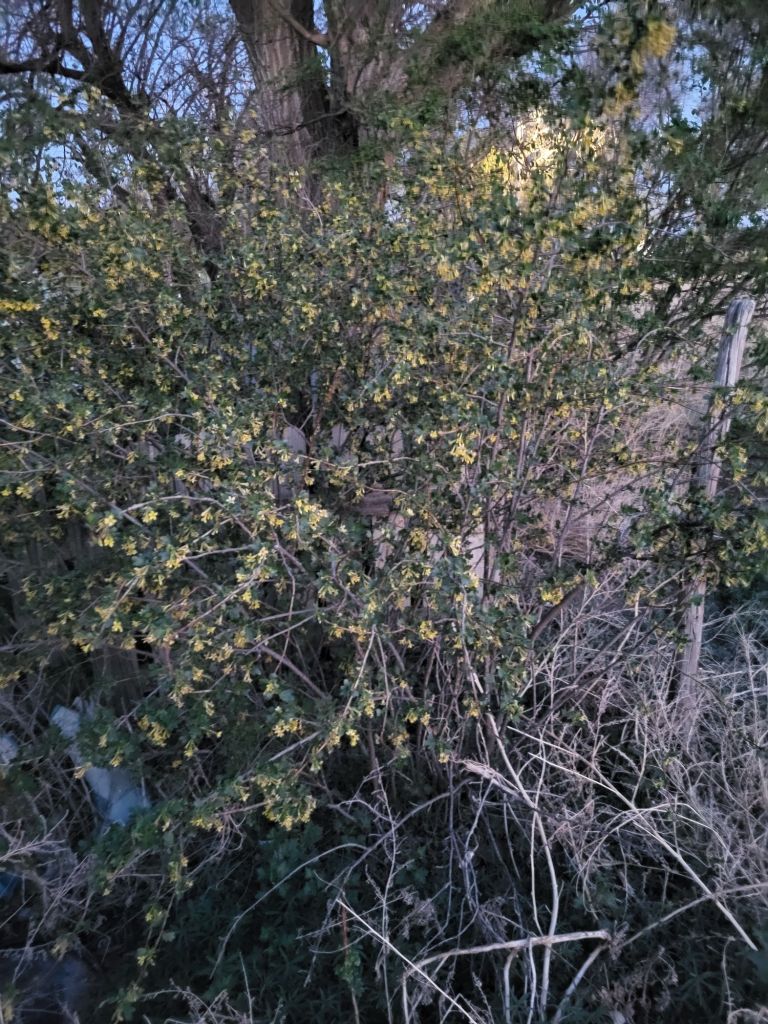
  I haven’t had any luck with the raspberries. The canes have come on  really well for the last two years but have produced no fruit. I guess more research is in order.

  We picked up an apple tree and a peach tree, seriously considering going back and getting a plum tree.

  Got a trailer load of wood chips, I’ll put down a layer of cardboard and cover with around six inches of wood  chips.

Wood chips.

  The apple, peach and now plum trees are all neatly tucked in and starting to show signs of life. The honeycrisp apple tree is by far the most active with leaves showing up. The other two have green in the branches so I’m hopeful.

  Onions are coming along nicely, as are the strawberries, so much more to get planted. There are still a considerable number of containers to fill, and a couple of raised beds to finish building that were started last season.

  Compost bins are filled nearly to the top, and the main bin will get turned over in about another month. I used some homemade compost as filler for the pots that have an assortment of peppers started in them. After they get a little bigger, I’ll try to separate them.

  We picked up some Jerusalem artichokes, I find them tasty and have been reading they spread easily and are hard to maintain in a given area. This is what we want. The more food we can produce, the more independent we can be. I am once again under the weather. it seems the school is the perfect breeding grounds for a whole host of illnesses.

  In any event almost everyone here fell ill but we’ve seen the worst of it, I hope.

  I’m working on the solar power setup again. Our last electric bill was quite a bit higher than expected since we keep cutting back on it. I was told it was because their cost of materials had risen, the conversation almost turned hostile when I told them I would be converting things to run from my solar panels. I was told I would need to discuss that with corporate, I told them that since it wasn’t grid tied that I wouldn’t be talking to anyone about it or what I am doing.

  I will convert one system or perhaps one room at a time, at least as much as I can. With our current lifestyle, I can’t likely just cut the cord, though I would like to. I had what I thought was a decent charge controller, but it stopped working before I could get serious with it. So, for now, I’m just charging batteries with a cheap eBay controller and a 100-watt panel to run my 12v GMG  grill.

GMG grill in use.

  Thank you for stopping by.

New beginnings

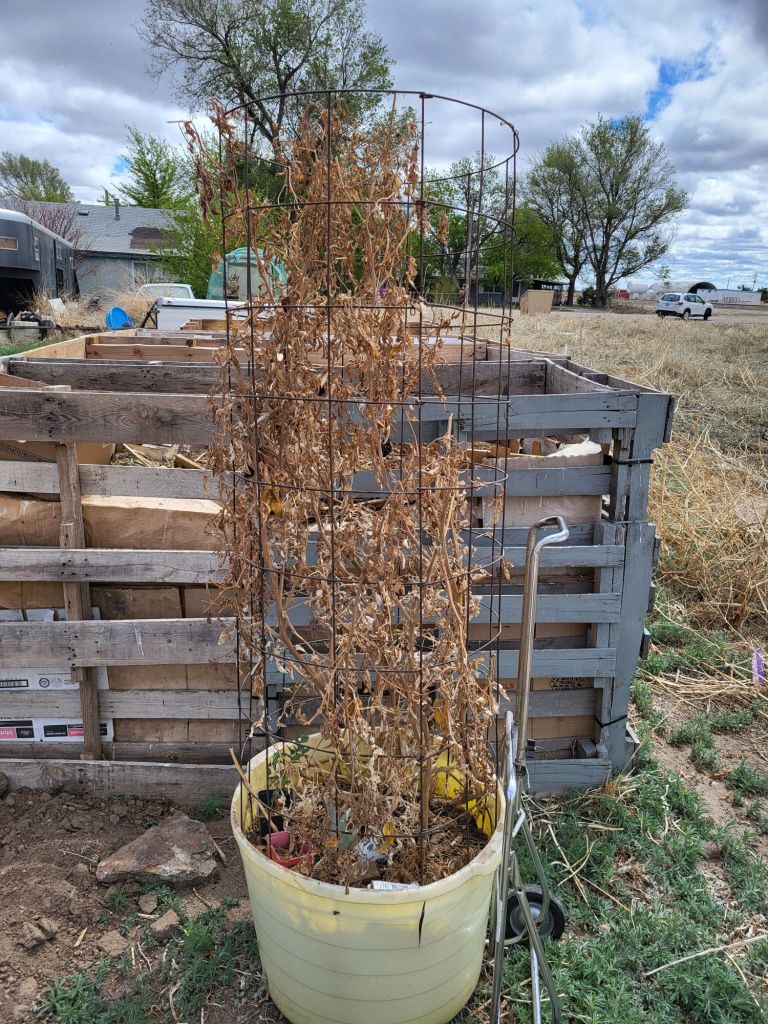
Last year, we had a beefsteak tomato plant in this planter. It did quite well, as you can tell from what remains. I had actually pulled several hands full of dead stems out before it dawned on me to take a picture.

Cleaning out the tomato planter.

  I’ve read you shouldn’t compost tomato plants due to disease issues. For what it’s woth,  I have always tossed mine into the compost pile.

  I’m not saying you should, but I’ve learned   over the years that there are as many ways of doing a thing as there are people doing said thing. Do a little research and decide for yourself. Just remember, don’t blame me if you do it and things go poorly for you. Enough with the disclaimer.


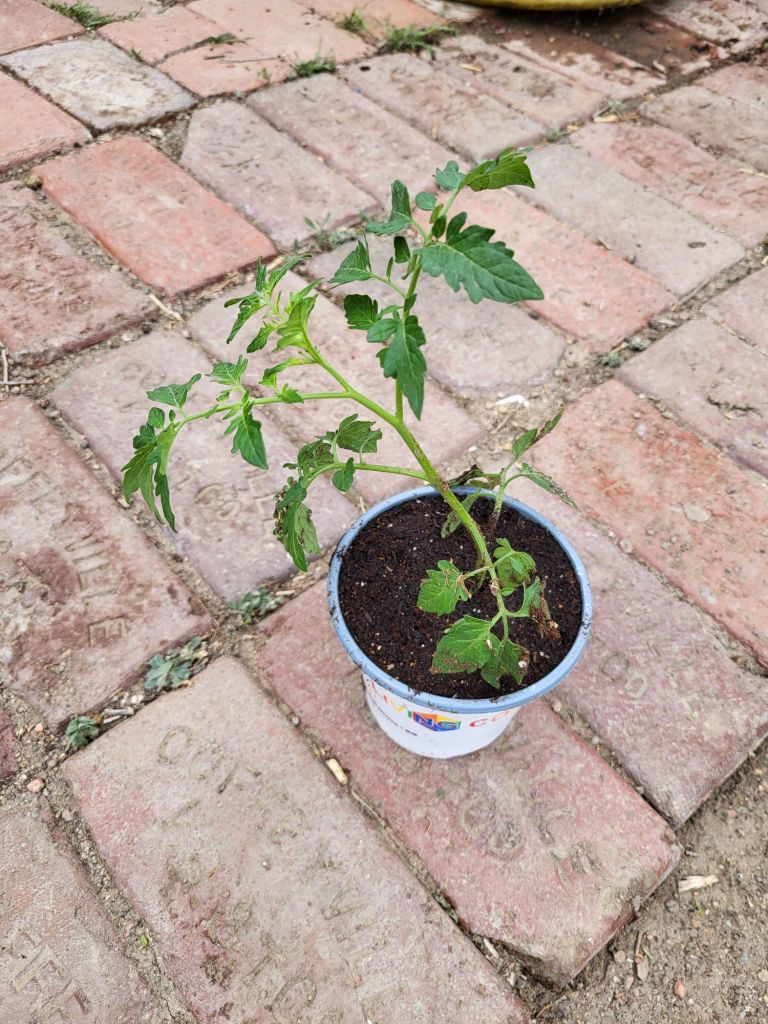
New tomatoes 🍅.

  This year, we will have a Super Sweet 100 in it. The year before last, the one we had gave us lots of great little tomatoes.  This year, we got two for the price of one.

  The planter had two plants growing in it, so I soaked the soil in water and teased the roots apart. Some broke, no doubt, but so far, both plants look healthy and not stressed out. Of course, I mudded both into their new homes. It’s a bit overcast and cool, so that helps out a bit as well.

  There are many more plants that need attention as well as repairs to made to the greenhouse etc. But we will work things as time becomes available.  There are three new fruit trees that were planted as well, but that will be for another post I think. I hate rambling on when there are things that need done. I will of course post updates so you can see how these two plants fare over the summer.

  I think this year I will try to take a few starts to overwinter so we’ll have a head start next season. Thank you for stopping by, as always. Your comments and suggestions are welcome.

Spring cleaning

  I apologize for the lack of posts, it seems that even though writing is my passion. I must also feel inspired to write. I tried AI for a bit and found it much easier to crank out posts.

  The content was very much along the lines of what I would come up with and after going through and adding my personal touches it was satisfactory enough to share.

  The downside I didn’t see coming was just how lazy of a writer it would help me to become.  We all want easier when we can. It seems to just be human nature to take the path of least resistance when one is available. And while easy is okay, it doesn’t push any boundaries or take us out of any comfort zones, and so it causes us to stagnate.

  At first, I felt it helped bring out my creativity, but I now realize it took the pressure off of me to expand my research and learning.  So, while I could crank out a 1500-word post in a matter of seconds,  this post will be done the old-fashioned way. I have no clue what the word count will be, nor do I care. It’s more about the journey than the destination for me.

  All that rambling out of the way, we are hard at work with spring cleaning. The house is being deep cleaned, and the outdoors is too.

  Last year, due to the record-breaking rain fall, the weeds grew like crazy and are already making a comeback, which will add a lot of fodder for the compost pile. Meanwhile, though,  I raked up several large buckets of old dead busted up weeds and threw them out as I didn’t want to add that much weed seed into our compost.

  However, while filling the large planter that was being used as a bucket, my tired old brain slipped out of auto pilot long enough to remember I hadn’t thrown out any of the old weeds from last year.

  Instead, I broke them down and used them to fill a good chunk of the bottoms of many of the 30 plus 25 gallon cattle feed tubs that I’ve converted for container growing in. Ugh. Oh well, still plenty left to use and after the high winds today I’m sure we’ll once again have more tumble weeds than we will want to deal with.

  The area I set up for us to sit outside and enjoy a nice fire or just the cool night air is coming along nicely, though not 100% what I was trying for. The dogs can once again navigate the front yard, well, most of it anyway. I had hoped to finish cleaning it up today, but upon hearing rumors of up to 60mph wind gusts, I have my doubts.

  I’ll post some pics as work progresses. What spring cleaning chores do you enjoy or hate the most? My favorite is preparing garden beds. The worst is dealing with the tumble weeds that blow in.

Rhubarb

Rhubarb

   About Rhubarb: A Tangy Delight

Rhubarb, with its vibrant red stalks and unique tangy flavor, is a versatile and delightful ingredient that has been enjoyed in culinary creations for centuries. In this blog post, we’ll explore the fascinating history, culinary uses, health benefits, and growing tips for this intriguing plant.

   The History of Rhubarb

Believed to have originated in Asia over 2,000 years ago, rhubarb has a long history of both culinary and medicinal use. It wasn’t until the 18th century that rhubarb made its way to Europe, where it gained popularity as a dessert ingredient. In the United States, rhubarb became a staple in early American kitchens, particularly in pies and preserves.

   Culinary Uses

Rhubarb is often treated as a fruit in culinary applications, despite being a vegetable. Its tart flavor pairs well with sweet fruits, making it a popular choice for jams, compotes, and desserts. Some common culinary uses of rhubarb include:

  Rhubarb Pie:   A classic favorite, rhubarb pie combines the tartness of rhubarb with the sweetness of sugar for a delightful dessert.
  Rhubarb Compote:   Cooked with sugar and often flavored with other fruits or spices, rhubarb compote is a versatile topping for yogurt, ice cream, or oatmeal.
  Rhubarb Crisp:  Similar to a fruit crisp, a rhubarb crisp features a sweet, crumbly topping baked over a layer of stewed rhubarb.

   Health Benefits

Aside from its culinary appeal, rhubarb also offers several health benefits:

  Nutrient-Rich:  Rhubarb is a good source of vitamin K, vitamin C, calcium, potassium, and dietary fiber.
  Antioxidant Properties:   It contains antioxidants like anthocyanins and quercetin, which have been linked to various health benefits, including reduced inflammation.
  Digestive Health:  The fiber in rhubarb can promote a healthy digestive system.

Rhubarb, with its unique flavor and rich history, continues to captivate the culinary world. Whether enjoyed in a pie, compote, or another creative dish, rhubarb’s tangy taste adds a delightful twist to any recipe. With its health benefits and ease of cultivation, rhubarb is truly a versatile and valuable addition to any kitchen.

So, whether you’re an avid gardener or a culinary enthusiast, consider incorporating rhubarb into your next cooking adventure and savor the tangy delight it brings to the table.

  Growing Rhubarb: A Guide to Cultivating this Tangy Delight

Rhubarb, with is a delightful addition to any garden. Whether you’re a seasoned gardener or a novice with a green thumb, cultivating rhubarb can be a rewarding experience. In this blog post, we’ll explore the essential steps and tips for successfully growing this versatile plant in your own backyard.

   Choosing the Right Location

Selecting the ideal location for planting rhubarb is crucial for its growth and productivity. Consider the following factors when choosing a spot for your rhubarb patch:

   Sunlight:   Rhubarb thrives in full sun to partial shade, so choose a location that receives at least 6 hours of sunlight per day.
  Soil:  Well-draining, fertile soil is essential for rhubarb. It’s best to avoid waterlogged areas, as rhubarb roots are susceptible to rot in overly wet conditions.

   Planting Rhubarb

Once you’ve identified the perfect spot for your rhubarb patch, it’s time to plant this tangy delight. Here’s a step-by-step guide to planting rhubarb:

  Timing:  Rhubarb is typically planted in early spring or fall. Planting in cooler weather allows the plant to establish its roots before the onset of hot summer temperatures.
  Spacing:  When planting rhubarb crowns or divisions, space them at least 3 to 4 feet apart to allow ample room for growth.
  Depth:   Dig a hole that is deep enough to accommodate the rhubarb crown or division, with the top of the crown positioned just below the soil surface.

  Caring for Rhubarb

Caring for rhubarb involves several key practices to ensure its health and productivity. Here are some essential care tips for growing rhubarb:

  Watering:  While rhubarb is relatively drought-tolerant once established, regular watering is important, especially during dry spells. Avoid overwatering to prevent root rot.
  Fertilization:   In early spring, apply a balanced fertilizer around the base of the rhubarb plants to provide essential nutrients for growth.
  Weed Control:   Keep the area around the rhubarb patch free of weeds to minimize competition for nutrients and moisture.

   Harvesting Rhubarb

Patience is key when it comes to harvesting rhubarb. It’s important to allow the plant to become established before harvesting. Here’s what you need to know about harvesting rhubarb:

  First Year:  Refrain from harvesting any stalks during the first year after planting to allow the plant to develop a strong root system.
Subsequent Years: In the second year and beyond, you can begin harvesting rhubarb stalks when they are firm and at least 10-15 inches long. Always leave a portion of the stalk and the entire leaf when harvesting to support the plant’s ongoing growth.

  In Conclusion

Cultivating rhubarb in your garden can be a rewarding experience, offering a fresh supply of this tangy and versatile ingredient for culinary creations. By selecting the right location, planting with care, and providing proper maintenance, you can enjoy the bounty of homegrown rhubarb for years to come.

So, whether you’re a seasoned gardener or a beginner with a passion for growing your own produce, consider adding rhubarb to your garden and savor the satisfaction of cultivating this tangy delight right at home.

Learning to forage.

  As with all of my posts, they are meant to get you thinking and interested.  And hopeful help you learn, though they are seldom presented as a complete guide to all you’ll need to know on a given subject, like most I’m still learning things and do everyday..

The Art of Foraging: A Beginner’s Guide

Have you ever considered the idea of foraging for your own food? The concept of foraging, which involves gathering wild food resources, has been gaining popularity in recent years as people seek to reconnect with nature and adopt a more sustainable lifestyle. Learning how to forage can be an incredibly rewarding and enriching experience, allowing you to develop a deeper understanding of the natural world and the abundance of edible plants that surround us.

Embracing the Foraging Lifestyle

The Appeal of Foraging

Foraging offers a unique opportunity to step outside the confines of traditional grocery shopping and engage with the environment in a more intimate way. It allows you to discover the diverse array of edible plants, mushrooms, and other wild foods that exist in your local ecosystem.

Environmental Benefits

By foraging for your own food, you can reduce your reliance on commercially grown produce, thereby lowering your environmental footprint. Additionally, foraging promotes a greater appreciation for the natural world and fosters a sense of stewardship for the environment.

Getting Started with Foraging

Educate Yourself

Before embarking on your foraging journey, it’s essential to educate yourself about the edible and non-edible plants in your area. Joining local foraging groups, attending workshops, or studying reputable foraging guides can provide valuable insights into the plants that are safe and nutritious to consume.

Respect and Sustainability

It’s crucial to forage responsibly and sustainably. This involves adhering to foraging regulations, avoiding over-harvesting, and showing respect for the natural habitats where these plants grow. By doing so, you can ensure the continued availability of wild food resources for future generations.

Safety First: Identifying Edible Plants

Consult Experts

When starting out, it’s advisable to consult with experienced foragers or botanists who can help you identify edible plants with confidence. It’s important to be absolutely certain about the plants you gather, as misidentification can lead to serious health risks.

Start with Easy-to-Identify Species

As a beginner, focus on learning a few easy-to-identify and commonly found edible plants, such as dandelions, blackberries, or wild garlic. Familiarize yourself with their distinguishing features, growth patterns, and preferred habitats.

The Joy of Foraging

Connecting with Nature

Foraging provides an opportunity to immerse yourself in the natural world and develop a deeper connection with the environment. It encourages mindfulness and a sense of wonder as you observe and interact with the plants that sustain us.

Culinary Creativity

Once you’ve gathered your foraged treasures, you can explore the culinary delights of wild food. Experiment with incorporating foraged ingredients into your meals, whether it’s crafting a wild salad, brewing herbal teas, or infusing oils and vinegars with wild herbs.

Conclusion

Learning how to forage is a journey of discovery, offering an avenue to explore the bountiful resources that nature provides. By approaching foraging with respect, knowledge, and a keen eye for safety, you can unlock a world of flavors and experiences that enrich both your palate and your connection to the natural world. So, why not step outside and embark on the adventure of foraging?

Micro homesteading?

  Micro Homesteading: Living Large on a Small Scale

In recent years, there has been a growing interest in micro homesteading, a lifestyle that focuses on self-sufficiency and sustainable living on a small scale. Micro homesteading offers an alternative to the traditional homesteading lifestyle by adapting it to fit within smaller living spaces such as apartments, small urban lots, or suburban homes. This blog post will explore the concept of micro homesteading, its benefits, and how individuals can embrace this fulfilling and sustainable way of living.

  What is micro homesteading?

Micro homesteading is the practice of incorporating self-sufficient and sustainable practices into a small living space. It involves growing your own food, raising animals, preserving food, and embracing traditional skills such as sewing, woodworking, and food preservation. While traditional homesteading often requires vast amounts of land, micro homesteading demonstrates that these practices can be adapted to fit within the constraints of urban or suburban living.

   Benefits of Micro Homesteading

  Sustainable Living

Micro homesteading promotes sustainable living by reducing reliance on commercially produced goods and minimizing the carbon footprint associated with food production and transportation. By growing your own food and making your own products, you can significantly reduce the environmental impact of your lifestyle.

  Self-Sufficiency

Embracing micro homesteading allows individuals to become more self-sufficient. By growing fruits, vegetables, and herbs at home and possibly raising chickens for eggs or bees for honey, individuals can reduce their dependence on grocery stores and industrial food production.

  Connection to Nature

Even in urban or suburban environments, micro homesteading provides an opportunity to reconnect with nature. Tending to a small garden, composting kitchen scraps, or caring for a few backyard chickens can offer a sense of connection to the natural world and an appreciation for where our food comes from.

   Embracing Micro Homesteading

   Gardening

Utilize small spaces for container gardening, vertical gardening, or small raised beds to grow herbs, vegetables, and even fruits. Many urban and suburban dwellers have successfully implemented balcony gardens or utilized community garden plots to grow their own produce.

   Food Preservation

Learn traditional food preservation techniques such as canning, fermenting, and drying to extend the shelf life of homegrown or locally sourced produce. These methods can help reduce food waste and provide a supply of homemade, preservative-free foods.

   Raising Animals

In some urban and suburban areas, zoning regulations may allow for the keeping of small animals such as chickens or bees. Research local ordinances and explore the possibility of keeping these animals for eggs, honey, and to support local pollination.

  DIY Skills

Develop traditional skills such as sewing, knitting, woodworking, or soap making to create your own household items and reduce reliance on mass-produced goods.

   Conclusion

Micro homesteading offers a fulfilling and sustainable way of living that can be embraced regardless of the size of one’s living space. By incorporating self-sufficient practices such as gardening, food preservation, and traditional skills, individuals can reduce their environmental impact, enhance their self-sufficiency, and foster a deeper connection to nature. Whether in an apartment, a small urban lot, or a suburban home, micro homesteading allows everyone the opportunity to live large on a small scale.

Leeks

  The Versatile Leek: Growing Tips and Delicious Uses


Leeks are a versatile and flavorful vegetable that can be used in a wide variety of dishes. They are also relatively easy to grow, making them a great addition to any home garden. In this blog post, we’ll explore the different ways you can use leeks in your cooking, as well as provide some tips for growing your own leeks at home.

  Growing Leeks

Chinese Leeks

  I had planted a little over one hundred leeks last year, but the large hailstorm we got beat them into the ground along with all one hundred of my onion sets I’d put out. I’d hoped they would come out of it, but sadly, they did not, at least not last year.

  I noticed at least some of the onions are starting to come back up, so I’m hoping at least some of the leeks will also. I ordered a package of five hundred seeds from Walmart. Hopefully, they will have a good germination rate. They are meant for micro greens, but I’d rather let them grow. I figure what I can’t consume now can be dehydrated or left in the ground to overwinter.

   Planting
Leeks prefer a sunny location with well-draining soil.
Start by sowing seeds indoors in early spring, then transplant the seedlings into the garden once they are around 8 inches tall.
When transplanting, make sure to plant the leeks in deep holes to encourage the growth of the tender white stems.

  Care
Keep the soil consistently moist, especially during dry spells.
Mulch around the base of the leeks to help retain moisture and suppress weed growth.

Fertilize the leeks every few weeks with a balanced fertilizer to encourage healthy growth.

  Harvesting
Leeks can be harvested throughout the summer and into the fall.
When the leeks are around 1 inch in diameter, they are ready to be harvested.
Use a garden fork to loosen the soil around the leeks gently and lift them out.

   Cooking with Leeks

   Soups and Stews
Leeks add a delicious, mild onion flavor to soups and stews. They can be sautéed with other aromatic vegetables as a flavorful base for many dishes.

   Side Dishes

Sliced leeks can be sautéed or roasted as a tasty side dish. Their sweet and mild flavor pairs well with a variety of seasonings.

   Quiches and Frittatas
Add sautéed leeks to quiches and frittatas for an extra layer of flavor and texture.

   Pasta Dishes
Leeks can be used to add depth to pasta dishes. Sauté them with garlic and herbs for a simple yet flavorful pasta topping.

   Grilled or Braised
Leeks can be grilled or braised to bring out their natural sweetness and create a delicious side dish or addition to salads.

  Conclusion

Leeks are a wonderful addition to any home garden, and their mild, onion-like flavor makes them a versatile ingredient in the kitchen. Whether you are using them in soups, stews, or as a standalone side dish, leeks are sure to add a delicious touch to any meal. With these growing tips and cooking ideas, you’ll be well on your way to enjoying the many benefits of this flavorful vegetable.

Collecting rainwater.

   Rainwater, often overlooked and underutilized, is a valuable resource that can be collected and used in a multitude of ways. From watering plants to reducing water bills, harvesting rainwater has numerous benefits for both the environment and our wallets. In this blog post, we will explore the beauty of rainwater harvesting and its practical applications.

Collecting rainwater can be as simple as placing a barrel under a downspout or as complex as installing a sophisticated rainwater harvesting system. These systems typically include a collection surface (such as a roof), a conveyance system (gutters and downspouts), a storage tank, and a distribution system. Whether you opt for a DIY setup or a professionally installed system, the key is to capture the rainwater as it falls and store it for later use.

   Sustainable practices harvesting rainwater aligns with sustainable living practices by reducing reliance on treated water sources. It also helps prevent stormwater runoff, which can carry pollutants and cause erosion. By collecting rainwater, we can minimize our environmental impact and contribute to the conservation of freshwater resources.

   Practical uses of rainwater watering gardens and landscapes. One of the most common uses for harvested rainwater is irrigation. The natural purity of rainwater makes it ideal for watering gardens, lawns, and landscaping. Additionally, using rainwater for irrigation reduces the demand on municipal water supplies and can lead to healthier, more vibrant plant growth.

  Rainwater can also be utilized for various household chores such as washing cars, cleaning outdoor furniture, and even flushing toilets. By incorporating rainwater into these tasks, we can further decrease our reliance on potable water and decrease utility costs.

  In areas prone to drought or water restrictions, having a supply of harvested rainwater can serve as a valuable backup during dry spells. It provides a buffer against water scarcity and offers a sense of security during times of water shortage.

  Tips for Successful Rainwater Harvesting

  Regular maintenance of your rainwater harvesting system is essential to ensure its effectiveness. This includes keeping gutters and filters clean, inspecting storage tanks for leaks, and monitoring the overall functionality of the system.

  Water Quality Considerations.
While rainwater is generally clean, it’s important to consider water quality and potential contaminants. Install appropriate filtration and purification systems if the harvested rainwater is intended for potable uses.

  Adhering to Local Regulations.
Before embarking on a rainwater harvesting project, it’s crucial to familiarize yourself with local regulations and restrictions regarding the collection and use of rainwater. Compliance with these guidelines will ensure that your rainwater harvesting activities are legal and safe. If you find there are laws against collecting rainwater where you are, I encourage you to challenge them and fight to get them changed. There are no legitimate reasons to not be able to utilize rainwater that falls on one own property.

  Conclusion

In conclusion, collecting and using rainwater is a sustainable and practical endeavor with a range of benefits. Whether you’re an avid gardener, an environmentally conscious individual, or someone looking to reduce their water bill, rainwater harvesting offers an accessible and eco-friendly solution. By embracing the art of rainwater collection, we can contribute to water conservation efforts and create a more sustainable future for generations to come.

Raising chickens.

# Raising Chickens: A Beginner’s Guide

Are you considering raising chickens but don’t know where to start? Whether you’re interested in having a sustainable source of fresh eggs, teaching your kids about responsibility, or simply enjoying the company of these friendly birds, raising chickens can be a rewarding experience. In this beginner’s guide, we will explore the basics of raising chickens, from setting up a coop to caring for your feathered friends.

## Getting Started

### Check Local Regulations
Before bringing home your first chicks, it’s important to check your local regulations regarding raising chickens. Some areas have restrictions on the number of chickens allowed and the type of housing required, so be sure to familiarize yourself with any relevant ordinances.

### Choosing the Right Breed
There are numerous chicken breeds, each with its own unique characteristics. Some breeds are known for their egg-laying abilities, while others are prized for their meat or ornamental qualities. Consider your purpose for raising chickens and choose a breed that aligns with your goals.

### Setting Up a Coop
A well-designed coop is essential for keeping your chickens safe, comfortable, and productive. Ensure that the coop provides adequate space for the number of chickens you plan to raise, as well as protection from predators and the elements. Nesting boxes, roosting perches, and proper ventilation are also important considerations.

## Caring for Your Chickens

### Feeding
Chickens require a balanced diet to stay healthy and lay quality eggs. A typical chicken diet consists of commercial feed, supplemented with kitchen scraps, grains, and greens. Access to clean water is also crucial, as chickens can quickly become dehydrated. It should be noted that you do not have to feed your chickens factory processed feed in a shtf event. You’d need to figure something out to keep them fed, so learning how to now only makes sense so you’re and your flock aren’t struggling during a crisis. I’ll get into how to in another blog post but encourage you to look into it.

### Health Care
Regular health checks are important to ensure that your chickens remain in good condition. Look out for signs of illness or distress, and be prepared to address common issues such as parasites or respiratory infections. Consulting with a veterinarian who specializes in poultry can be valuable for maintaining your flock’s health.

### Egg Collection
If you’re raising chickens for eggs, daily egg collection is essential. Eggs should be gathered promptly to prevent them from being damaged or attracting pests. Proper storage is also important to maintain the eggs’ freshness.

## Enjoying the Benefits

### Fresh Eggs
One of the most rewarding aspects of raising chickens is the opportunity to enjoy fresh, flavorful eggs. Whether you prefer them scrambled, poached, or baked into a cake, there’s nothing quite like the taste of eggs from your own backyard.

### Educational Opportunities
Raising chickens can be an enriching experience for children and adults alike. It provides an opportunity to learn about animal care, biology, and the food production process. Many families find that raising chickens fosters a sense of responsibility and connection to the natural world.

### Connection to Nature
Chickens have endearing personalities and can be surprisingly affectionate. Spending time with your flock can be a peaceful and grounding experience, providing a welcome break from the hustle and bustle of daily life.

## In Conclusion

Raising chickens is a fulfilling endeavor that offers a range of benefits, from a sustainable food source to a deeper connection with nature. By providing proper care and attention, you can create a healthy and happy environment for your chickens to thrive. Whether you’re a homesteader, a hobbyist, or simply someone who appreciates the simple pleasures of country living, raising chickens is an experience that can enrich your life in countless ways.

So, are you ready to embark on your chicken-raising journey? With the right knowledge and preparation, you’ll soon be enjoying the company of your own flock and reaping the rewards of fresh eggs and a deeper connection to the natural world.